A review of the WeMo electric scooter sharing app and how it works

WeMo electric scooters

This week I finally tried the WeMo electric scooter service for the first time.
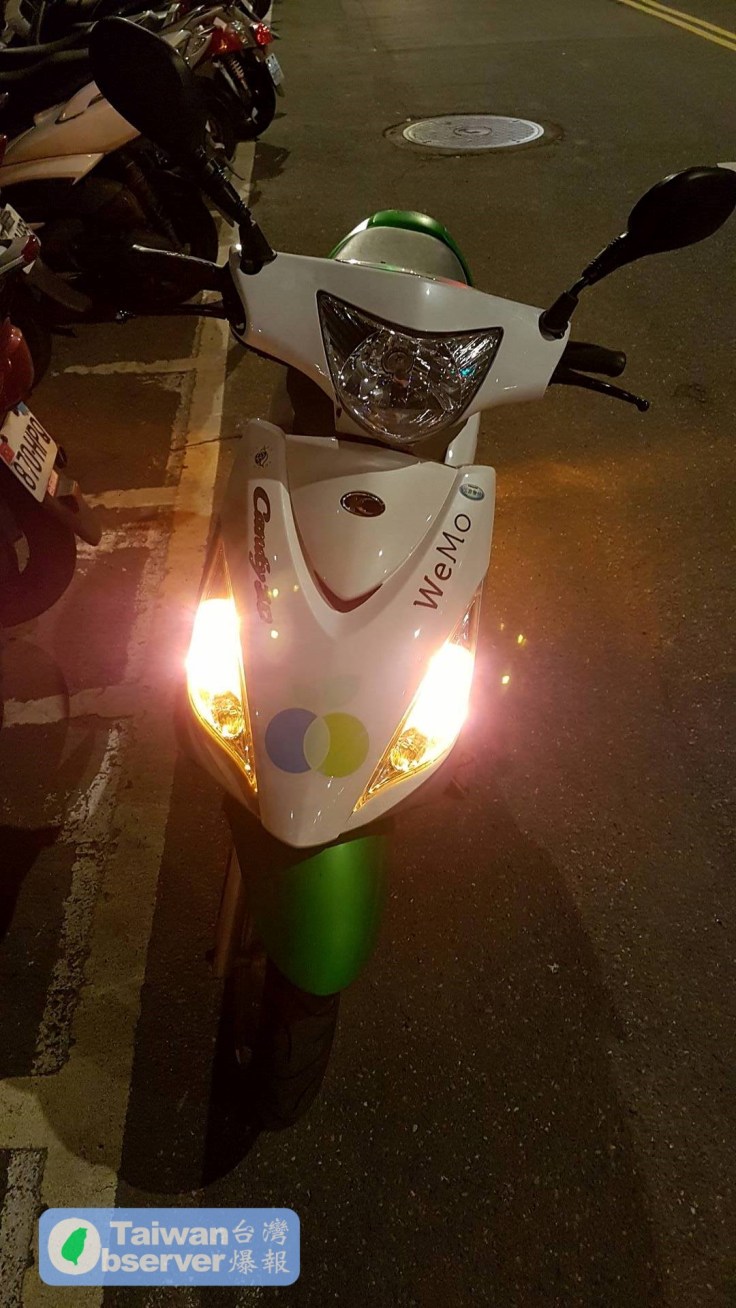
WeMo is a stationless rental scooter, it is basically the “oBike” concept applied for electric scooters.
You need a scooter? You find one nearby on the map, take it, ride where you want and leave the scooter on any scooter parking spot when you’re done.
I love the concept, and I feel it could improve a lot of things if it is used on a large scale.
24281874_10156800363222542_1856857802_o.jpg
Registration
Anyway. First things first, creating an account. That one made me postpone more than once, because you need to provide many documents:
– ARC (or ID)
– Driving license (it is a green plate so a car driving license is ok, I used my taiwanese car license to register, please comment if you succeded to register with an international car license, that would be sweet if they are accepted)
– Picture of yourself
– Credit card information. There are 2 payment types, either direct transaction from your credit card, or you can load some money into some WeMo wallet, and then use that money little by little as you use WeMo scooters.
After 1 working day I got an email saying my account was ready and I could start using the service.
Using WeMo app to do everything
 
Using the app, you see where scooters are and you can book one, or just walk to it and start using it.
I have used WeMo scooters 4 times in total. Every time the scooter was extremely new and in great quality: the 4 different scooters that I got didn’t have more than 250km mileage in total.
I have read some bad reviews in the WeMo app reviews where people complained about the quality of some scooters. Before any ride, better check the scooter, the general condition, the brakes, etc. In my case all was really new and good.
You control everything through the app.
– Opening the trunk (there are 2 helmets inside)
– Starting the rental
– Stopping the scooter (once it’s “started” it’s ready to accelerate any time you turn the throttle. “Stopping the scooter” is equivalent to shutting down the engine on a gas scooter.
– Returning the scooter: stops the renting and ends the ride.
The scooter
Once you open the trunk using the app, you find 2 helmets inside (one is half dome helmet for the passenter, and another one is a little bigger, covering the ears and has a wind protector, more suitable for the rider).
There is also a few disposable fabric papers that you can put in the helmet if you care about hygiene.
The scooter is pretty much like a normal gas scooter. It has the same controls, brakes, lights.
It is quite lighter overall, very comfortable to ride alone, and requires a little bit of skills for riding slow speed with a passenger, but that’s also true for regular scooters.
24251044_10156800363252542_1473378868_o
Riding WeMo
Once started, it is just like a normal scooter, the controls are the same: throttle, breaks, lights, direction lights.
The max speed i got was a steady 54km/h on flat. Not very fast but I was not slower than the average riders on the road.
The autonomy if the battery is 100% when you take it is about 45km. You can see how much battery is left on each scooter on the smartphone app before you start the rental.
You can see how many remaining kilometers the scooter can ride at all times.
Also I noticed than when the scooter autonomy is going below 10km, the max speed is lower, about 38km/h and the acceleration is also weaker).
With 2 people on the scooter, the acceleration is still good and the top speed still above 50km/h even with 2 passengers.
Even though speeding is not recommended, I find that the top speed is slightly below what I would hope for. A few times, I wanted to overtake someone quickly, but I simply couldn’t. On my regular 125cc scooter, I can go faster for a few seconds in certain situations to safely take over, or avoid some danger. That’s something to consider, the riding habits are slightly different here.
Pricing
 
As of November 2017:
– Initial price is 15NT for 6 minutes
– Next is 2.5NT per minute (99 seconds red light really suck, it would be neat if the price calculation did not count the stop time, specially as this is an electric scooter)
Out of the 4 rides I took, this is approximately the prices that I paid:
– 38NT for 4km distance in my first ride, because I took some time to explore the options
– 30NT for 4km (better luck at the red lights?)
– 60NT for 8km (Elephant Mountain to Nangang exhibition center).
– 23NT for 3 MRT stations late at night
In my opinion this is a good solution at night for a 5-15km distance when there are no more MRTs and you don’t want to pay 300+NT for a taxi.
Conclusion
After those rides I feel very happy that this solution exists. It completes the portfolio of transportation possibilities, and gives more freedom than MRT or bus.
It may not be something you want to use every day, but once in a while you need to go somewhere far from MRT stations, or you don’t want to take UBike for 30mn+ ride, well, if you have the app installed and the account already created, you can check if there’s a WeMo nearby.
24259328_10156800363257542_1276695610_o

CÁCH XUẤT CẢNH CHO NGƯỜI LAO ĐỘNG “CHUI” Ở ĐÀI LOAN


Phải làm gì khi bạn làm việc “chui” ở Đài Loan nhưng có ý định quay về Việt Nam ?


Người lao động ở lại quá thời hạn và làm việc bất hợp pháp (BHP) muốn xin rời khỏi Đài Loan trước tiên cần phải ra “ đầu thú”. Người lao động BHP sẽ nhận được sự khoan hồng của chính quyền nếu tự nguyện ra đầu thú so với khi bị phát giác và trục xuất về nước. Dưới đây là 5 điều cần chuẩn bị trong quá trình làm thủ tục :


  1. Chuẩn bị sẵn 20.000NT$


10.000NT$ là tiền nộp phạt khi ở quá thời hạn 3 tháng (90 ngày ). Đây là mức phạt cao nhất. Thậm chí người lao động BHP ở Đài Loan trong nhiều năm thì cũng chỉ đóng phạt tối đa là 10.000NT$.


Ở quá thời hạn trong vòng 10 ngày mức phạt là 1.000NT$.

Ở quá thời hạn từ 11 ngày đến dưới 30 ngày mức phạt là 3.000NT$.

Ở quá thời hạn từ 31 ngày đến dưới 90 ngày mức phạt là 5.000NT$.


Số tiền còn lại dùng để chi trả tiền vé máy bay. Đội nhập cư đặc biệt thành phố Đài Bắc sẽ sắp xếp thời gian của chuyến bay. Số tiền dư (nếu có) sau khi mua vé sẽ được hoàn trả.


  1. Liên lạc với Đội đặc nhiệm thành phố Đài Bắc

Bạn có thể gọi số 02 2239 6339 hoặc đến trực tiếp số 306, Section 3 đường Xinlong , quận Wensahn , thành phố Đài Bắc.

Bạn có thể yên tâm là mình sẽ không bị bắt giữ trong trường hợp này.Bạn có thể ở tại chỗ hiện tại hoặc nếu bạn không còn đủ tiền , họ sẽ giúp bạn có một chỗ ở tương đối trong thời gian chờ đợi các giấy tờ.

  1. Thẩm vấn về các công việc trước đây

Bạn sẽ được hỏi những câu như :

+ Bạn từng làm việc tại Đài Loan chưa?

+ Ai là chủ của bạn? / hoặc người thuê bạn ( doanh nghiệp, công ty,v.v…)?

+ Bạn làm việc ở đó trong khoảng thời gian bao lâu?

+Có bao nhiêu người làm việc BHP ở chỗ bạn làm?

+ Chủ của bạn đã trả lương cho bạn bao nhiêu?

+Bạn hiện mang bao nhiêu tiền trong người?

Quá trình thẩm vấn sẽ được ghi âm lại, Đội đặc nhiệm thành phố Đài Bắc có trách nhiệm phụ trách việc này.

  1. Hộ Chiếu

Nếu hộ chiếu của bạn bị người chủ “giam”. Đừng lo lắng Đội đặc nhiệm thành phố Đài Bắc sẽ hỗ trợ bạn làm một cái mới.

  1. Quá trình này mất bao lâu?

Tùy theo từng trường hợp mà mất nhiều hay ít thời gian. Nếu bạn có sẵn hộ chiếu và có sẵn tiền thì chỉ trong vài ngày là xong. Tuy nhiên nếu bạn không có hộ chiếu và phải làm lại cái mới thì bạn sẽ tốn nhiều thời gian hơn có thể hơn 1 tháng.

Đây là 5 điều bạn cần chuẩn bị nếu bạn quyết định quay về nước sinh sống. Đội biên tập Taiwan Observer’s chúc bạn nhiều may mắn trong lần hồi hương này.

Annie Nguyen


How to leave Taiwan if you overstayed (For Foreign Workers)

What to do when you have overstayed and worked in Taiwan illegally, but have decided to leave the island?

If you want to self-repatriate you will have to approach authorities and start the “Surrender Process”.

This procedure is done in a humane way and since you are approaching the authorities yourself you won’t be detained. Below you can find five details regarding the “Surrender Process”.

1. Get NT$20,000 ready.

NT$10,000 is for the fine (罰款) if you overstayed more than 90 days. This is the maximum fine. If you have been in Taiwan for even several years you will be only asked to pay NT$10,000

However, if you have overstayed from 31 to less than 90 days your fine will be NT$5,000.

If you overstayed from 11 to less than 30 days your fine will be NT$3,000.

If you overstayed for less than 1o days your fine will be NT$1,000. 20K

The other NT$10,000 is for your flight ticket. It is up to “Taipei City Immigration Special Brigade” when your flight is going to be. If the ticket turns out to be cheaper they will return you the difference.


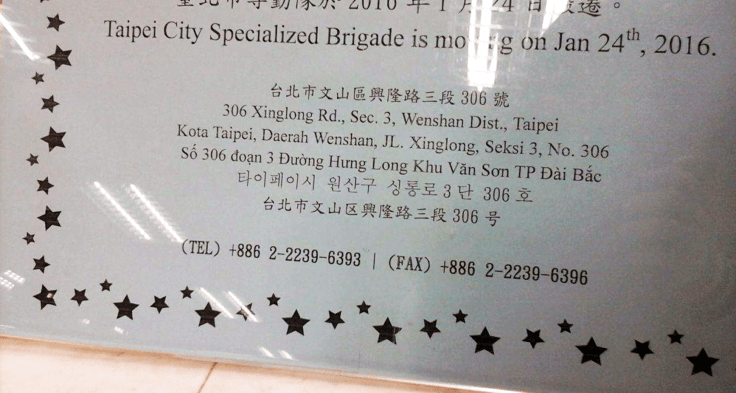
2. Contact “Taipei City Specialized Brigade”

(內政部移民署臺北市專勤隊)

You can call them on 02 2239 6339 or go there in person 306, Section 3 Xinlong Road, Wensahn district, Taipei City (臺北市文山區興隆路三段306號).

DON’T WORRY! THEY WILL NOT DETAIN YOU! You can still freely stay where you want and if you don’t have enough money they will try provide you with some basic accommodation.


內政部移民署臺北市專勤隊

Photo by:  https://www.google.com.tw/maps


3. You WILL be interrogated and asked about your previous employers.

“Taipei City Specialized Brigade” needs to have a record and details of every person approaching them.

These are some of the likely questions you will be asked:

  • Were have you worked before?
  • What are the details of your previous employer?
  • How long you have worked there?
  • How many people are employed there illegally?
  • How much did your previous employer pay you?
  • How much money you are carrying?


4. What about my passport?

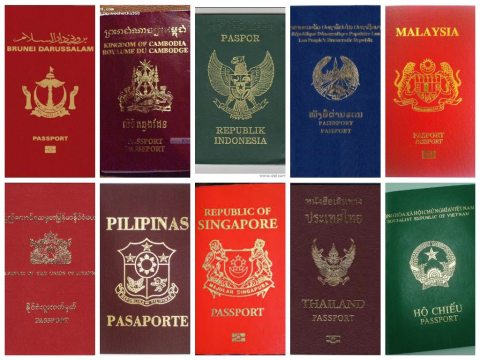
If you don’t have a passport because your previous employer kept it or other reasons “Taipei City Specialized Brigade” will assist you with getting a new one.

Asean-Passports
Photo by:  http://myanmarmuslimsvoice.com/


5. How long will the process take?

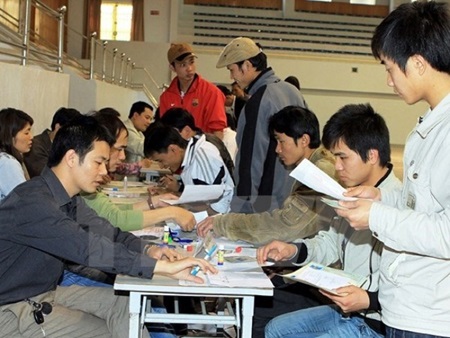
This depends on each case. Sometimes if you have your passport and money ready the whole process shouldn’t take more than a few days. However if there are some problems with obtaining a new passport for you the process may take a little longer, sometimes even over a month.

ASEAN.brotherhood
Photo by:  ASEAN.org

These are the five, easy steps that you can take if you have decided to self-repatriate. Taiwan Observer’s editorial team wishes you good luck with your journey back home!


TẠI SAO NGƯỜI VIỆT NAM ĐI ĐÀI LOAN ?

Đến Đài Loan, bạn sẽ dễ dàng tìm thấy một cộng đồng người Việt hiện đang sinh sống và làm việc tại đây. Theo thống kê , hiện nay có khoảng 170.000 người lao động Việt Nam (theo vieclamdailoan.vn) và khoảng 4000 du học sinh sang học ĐH tại Đài Loan. Qua số liệu trên, có thế thấy rõ phần lớn người Việt qua Đài Loan để hợp tác lao động. Họ hầu hết đều là công nhân hoặc nông dân, với hy vọng có thể kiếm được một ít vốn trong thời gian làm việc ở đây, một số khác sang Đài Loan với mong muốn kiếm tiền phụ giúp cho gia đình. Mức lương ở đây cao hơn so với mức lương trung bình của người lao động ở Việt Nam ( chỉ khoảng 5,3 triệu đồng tương đương 230 USD ) ( quý II/2017 – trích số liệu vietbao.vn ) trong khi ở Đài Loan là 700-800 USD thêm vào đó chi phí sinh sống ở Đài Loan cũng không quá đắt đỏ, ở các thành phố lớn như Đài Bắc hoặc Cao Hùng cơ hội việc làm cũng nhiều hơn.

money


Đài Loan được biết đến là một nước có nền kinh tế phát triển ở Châu Á với mức thu nhập bình quân theo đầu người là 14.000USD/năm. So với Nhật Bản và Hàn Quốc thì Đài Loan hấp dẫn người lao động Việt Nam hơn bởi mức chi phí đi phù hợp khoảng 4000USD so với chi phí đi xuất khẩu lao động ở Nhật Bản từ 6500 đến 7500USD, Đài Loan cũng không yêu cầu trình độ chuyên môn cao và thủ tục đi cũng đơn giản, nhanh chóng thường sau 3 đến 4 tháng là có thể đi và không cần phải đặt cọc. Đài Loan vốn nổi tiếng ở lĩnh vực chế tạo và sản xuất máy móc đặc biệt là ngành công nghiệp điện tử nên người lao động khi sang đây có thể tìm cho mình các công việc như lắp ráp điện thoại, làm việc tại các xưởng chế tạo cơ khí. Ngoài ra người lao động Việt Nam còn có thể làm việc trong các xưởng may mặc quần áo, hoặc công việc hộ lý trong bệnh viện /các khu điều dưỡng, giúp việc… Kể từ ngày 1/1/2017, mức lương cơ bản dành cho người lao động nước ngoài ở Đài Loan đã tăng từ 20.008NDT lên 21.008NDT / tháng, bên cạnh đó Đài Loan cũng điều chỉnh lại mức bảo hiểm y tế và bảo hiểm lao động để tạo điều kiện tốt hơn cho người lao động nước ngoài.

20151127153403-2

Ở Đài Loan có rất phụ nữ Việt đi theo diện kết hôn. Nếu bạn là phụ nữ Việt và bạn mới chuyển đến Đài Loan, gần như người Đài Loan sẽ hỏi “ bạn kết hôn à?”. Nhiều năm trước đây có một thời gian ở Việt Nam rộ lên phong trào cưới chồng Đài Loan. Các cô gái ở những vùng quê nghèo tin rằng kết hôn với người Đài Loan có thể giúp cuộc đời họ tươi sáng và tốt đẹp hơn. Nhiều câu chuyện xoay quanh vấn đề này được đăng tải khắp các mặt báo trong nước khiến nó trở thành chủ đề được nhiều người quan tâm tuy nhiên trong những năm trở lại đây, xu hướng này không còn rầm rộ nữa.


Ở một khía cạnh khác, vẫn có các bạn trẻ yêu thích nền văn hóa và con người Đài Loan mong muốn có cơ hội trải nghiệm và học tập tại đất nước này. Chính phủ và các trường đại học Đài Loan cũng cấp nhiều học bổng và tạo điều kiện cho học sinh Việt Nam muốn sang Đài Loan du học. Có rất nhiều lý do để người Việt đến Đài Loan nhưng hầu hết vẫn là đi hợp tác lao động hoặc kết hôn, du học sinh tuy có nhưng vẫn chỉ chiếm một số lượng nhỏ. Qua đó có thể thấy thị trường lao động ở Đài Loan luôn là một điểm đến nóng đối với người lao độngViệt Nam.


hết —


South Bound Policy and Changes for Overseas Workers

The current government is taking its “Southbound Policy” seriously and overseas workers are benefiting from it already. The “Southbound Policy” itself aims at strengthening ties with ASEAN countries, which is becoming very handy in many societal and economical aspects of cooperation between Taiwan and countries like the Philippines, Thailand, Vietnam, Malaysia or Indonesia.

On August 31 2017, Taiwanese president Tsai Ing-Wen (蔡英文) declared that her government is planning to create a special public infrastructure fund in order to boost  partnerships between the island nation and the ASEAN countries. The initial sum to be spent on the fund totals around US$3.5 billion. Tsai has also promised to boost the restructuring of Taiwan’s Overseas Investment & Development Corp. This will be overseen by the Ministry of Foreign Affairs.

So, ASEAN countries and their citizens will receive help from Taiwan in their own countries, how about all those who left for Taiwan in search of a better paid work and better life for their families?

The Ministry of Labor announced on September 1, 2017 that amendments to the Employment Services Act would be soon implemented for the sake of protecting overseas workers employed in Taiwan. After the implementation of the amendment, each employer will be charged based on the number of illegal foreign workers employed. The current fines for employing illegal overseas workers stand from NT$ 150,000 to NT$ 750,000. So, if an employer decides to employ 10 illegal overseas workers they may expect to be fined between NT$ 1,500,000 and NT$ 7,500,000 if caught.

Additionally the amendment should discourage employers from unlawfully holding overseas workers’ passports. If there isn’t a good reason for doing so, employers will be fined between NT$ 60.000 and NT $300.000 for confiscating workers passports, and banned from employing foreign laborers in future. If an employer is found sexually abusing, harassing or trafficking overseas workers they will be barred from employing such workforce from 2 to 5 years. If they do so repeatedly they won’t be allowed to hire foreign workforce anymore. If an agent is found guilty of the same sex crimes against overseas workers they will be fined from NT$ 300,000 to NT$1,500,000 and barred from working as a labor agent. If they fail to report an employer engaging in such activities they will be fined from NT$ 60,000 to NT $300,000

Things are slowly starting to look better for overseas workers in Taiwan. The next big thing many hope for is abolition of the compulsory curfew in many dormitories in which overseas workers live.


Taiwan, Unofficial Animal Shelters List

Taiwan, Unofficial Animal Shelters List

This is Taiwan Observer’s unofficial list of animal shelters in Taiwan. Most shelters are in desperate need of volunteers. The Taiwan Observer community has stepped up and requested a list of shelters they could help out at. We have compiled this list of shelters to help connect the community with opportunities to help.

Please keep in mind that many of the shelters don’t have proper websites or any English services. This list is still incomplete, for any additions we can make leave them in the comments and we’ll add them to the list.


Taipei District

  • Helpful links

http://animal.coa.gov.tw/html/?main=6h&page=06_adoption_e00 (Official Website for Taipei City Animal Protection Office in Taiwan)

https://www.facebook.com/tcapo.tas?fref=pb (Facebook for TCAPO)

http://english.tcapo.gov.taipei/ct.asp?xItem=1243847&ctNode=69633&mp=105034 (Learn how to become a volunteer for the Taipei Animal Shelter *ENGLISH)

http://www.tsaca.org.tw/phpBB3/index.php Neihu Shelters (General discussion forum for volunteers; cats & dogs, Chinese)

 http://www.spca.org.tw/  (Taiwan Society For the Prevention of Cruelty to Animals Official Website)

http://www.spca.org.tw/adoption-shop-38936391782356731449.html (List of SPCA “Adoption Shops”

https://www.facebook.com/taiwanspca (Facebook for SPCA)

– Phone Number: 886-2-2738-2130, +886-2-2738-2131

  • Taipei City Animal Shelter/TCAPO

– Address for in Neihu: 臺北市內湖區潭美街852號 (Taipei City, Neihu District, Tanmei Street, No. 852)

– Phone Number: 02-87913254, 02-87913255

– Open: Tuesdays – Sundays 10:00-16:00

  • Animal Shelter in Neihu (KITTY CORNER; cats) *Check SPCA “Adoption Shops” Link for Adoption Procedures

– Address: No. 108 WenDe Road, Neihu, Taipei City

– Open: 12:00 – 22:00

– Phone number: 02-8751-3700

  • Animal Shelter in Songshan (VERY WANT PET BOUTIQUE & ADOPTION CORNER) *Check SPCA “Adoption Shops” Link for Adoption Procedures

– Address: No. 429 Ba-De Road Sec. 2, Song Shan District, Taipei City

– Open: 9am – 9pm

– Phone number: 02-2741-2777 *Appointment required*

New Taipei District

http://www.ahiqo.ntpc.gov.tw/ (New Taipei City Government Animal Protection & Health Inspection Office)

– Address: 新北市板橋區四川路一段157巷2號 (New Taipei City, Banqiao District, Section 1 Sichuan Road, Lane 157, No. 2)

– Phone Number: 02-2959-6353; Customer Service Hotline: 0800-669769

– Office Hours: Mondays – Fridays 08:00 – 12:00; 13:30 – 17:30 *Welcomes adoptions on weekends

http://www.ahiqo.ntpc.gov.tw/adopt_list.php (Adoption List)

http://www.ahiqo.ntpc.gov.tw/HomeList.php (Full List of Animal Shelters/Adoption Centers in New Taipei City provided by the government)

https://www.facebook.com/pg/NTPCpublicanimalshelter/about/?ref=page_internal (More Adoption Centers in New Taipei City Under “General Information”)

  • Animal Shelter in Banqiao (DOGGIE CORNER; dogs) *Check SPCA “Adoption Shops” Link for Adoption Procedures

– Address: Wenhua Rd. Sec 2, No. 501, Banqiao City

– Opening Hours: 11:00 – 21:00

– ​Phone number: 02-8251-1314

  • Animal Shelter in Banqiao (Banqiao/Panchiao Animal House)

https://www.facebook.com/NTPCBanqiao/ (Facebook)

https://www.facebook.com/pg/dogcat.tw/about/?ref=page_internal (Facebook)

– Address: 板橋區板城路28-1號 (Banqiao District, Bancheng Road, No. 28-1)

– Phone Number: (02)8966-2158

– Open: Tuesdays – Sundays 10:00-12:00; 14:00-16:00

  • Animal Shelter in Zhonghe

– Address: 興南路三段100號 (Zhonghe District, Xingnan Road, Section 3, No. 100)

– Phone Number: (02) 8668-5547

– Open: Tuesdays – Sundays 10:00-12:00; 14:00-16:00

  • Animal Shelter in Xindian

https://www.facebook.com/xindian.animalsfamily?fref=pb (Facebook)

– Address: 新店區安泰路235號 ( Xindian District, Antai Road, No. 235)

– Phone Number: (02) 2215-9462

– Open: Tuesdays – Saturdays 10:00-12:00; 14:00-16:00

  • Animal Shelter in Xinzhuang

https://www.facebook.com/XinZhuangQuDongWuZhiJia?fref=pb (Facebook)

– Address: 五股區新五路2段2巷40號的對面 ACROSS Wugu District, Section 2 Xinwu Road, Lane 2, No. 40

– Phone Number: (02)2297-7814

– Open: Mondays – Fridays 10:00-12:00; 14:00-16:00

  • Animal Shelter in Yingge

– Address: 新北市鶯歌區環河路175-18號(二高架橋下河床邊) (Yingge District, Huanhe Road, No. 175)

– Phone Number: (02) 2678-0217

– Open: Mondays – Fridays 10:00-12:00; 14:00-16:00

  • Animal Shelter in Sanxia

– Address: 新北市三峽區隆恩街243號 (Sanxia District, Longen Street, No. 243

– Phone Number: (02) 2672-2143

– Open: Mondays – Fridays 10:00-12:00; 14:00-16:00

  • Animal Shelter in Danshui

https://www.facebook.com/tamsuishelter/ (Facebook)

– Address: 新北市淡水區下圭柔山91-3號 (Danshui District, XiaGuiRou Mountain No. 91-3)

– Phone Number: (02) 2626-7558

– Open: Mondays – Fridays 10:00-12:00; 14:00-16:00

  • Animal Shelter in Wugu

http://bit.ly/2vezB6A (facebook page)

– Address: 新北市五股區外寮路9-9號 (Wugu District, Wailiao Road, No. 9-9)

– Phone Number: (02) 8292-5265

– Open: Tuesdays – Sundays 10:00-12:00; 14:00-16:00

  • Animal Shelter in Bali (Animals Taiwan)

– Address: 八里區長坑村6鄰長道路36號 (Bali District, Zhangkeng Village, 6LinChangDao Road, No. 36)

– Phone Number: (02) 2619-4428

– Open: Mondays – Fridays 10:00-12:00; 14:00-16:00

  • Animal rescue Linkou center

http://www.animalstaiwan.org/about_en.html (English)

– Address: No. 20-18, Dingfu, 5th Neighborhood, Dingfu Area, Linkou District, New Taipei City

– Phone Number: 02-86014196

– Open: Every Tuesdays to Sundays 11:00AM~4:00PM

  • The Pack Sanctuary

 https://thesanctuarytaiwan.org/en/ (English)

 https://www.facebook.com/ThePACKSanctuary/?pnref=lhc 

– Address: No. 103, Zhibai Rd, Sanzhi District, New Taipei City, 252 (*note, location may change from august 2017)

– Phone Number: 0928 552 326

–Open: 1:30PM – 5:00PM

Keelung City

  • Animal Shelter in Keelung

– Address: 基隆市七堵區大華三路45-12號 (QiDu District, Dahua 3rd Road, No. 45-12)

– Phone Number: (02) 2456-0148

– Open: Tuesdays – Saturdays 9:00-16:30

Taoyuan City

  • Animal Shelter in Taoyuan

– Address: 桃園縣新屋鄉永興村三鄰大牛欄 117 號 (Xinwu District, YongXing LiSan DaNiu Lan, No. 117)

– Phone Number: (03) 486-1760

– Open: Tuesdays – Sundays 10:00-12:00; 13:30-15:30

Hsinchu City

  • Animal Shelter in Hsinchu

– Address: 新竹市南寮里海濱路250號 (Hsinchu City, North District, Haibin Road, No. 250)

– Phone Number: (03) 536-8329

– Open: Mondays – Fridays 09:30-11:30; 14:00-16:00; Saturdays 10:00-18:00

Yilan County

  • Animal Shelter in Yilan County

http://animal.e-land.gov.tw/ (Official Website for Animal & Plant Disease Control Center Yilan County)

– Address: 宜蘭縣五結鄉成興村利寶路60號(動植物防疫所旁) (Wujie Township, Libao Road, No. 60 (Next to the Animal & Plant Disease Control)

– Phone Number: (03) 960-2350

– Open: Summers: Mondays – Fridays 08:00-17:30; Winters: Mondays – Fridays 08:00-17:00

Miaoli County

  • Animal Shelter in Miaoli County

– Address: Miaoli County, Guofu Road, No. 10

– Phone Number: (03) 732-0049

– Open: Mondays – Fridays 08:00-12:00; 13:00-17:00

  • “Stray Dog Accommodation Shelter” in Miaoli County

– Address: Miaoli County, XiQuan LiQuanShui Wo, No. 1 (Next to Miaoli City Landfill)

– Phone Number: (037) 331-910 #155; (037)357-574

– Open: Mondays – Fridays 13:30 – 15:30

Taichung City

http://www.animal.taichung.gov.tw/ (Taichung City Animal Protection & Health Inspection Office Official Website)

  • Animal Shelter in Nantun Park

– Address: 臺中市南屯區中台路601號 (Nantun District, Zhongtai Road, No. 601)

– Phone Number: (04) 2385-0949

– Open: Mondays, Tuesdays, Thursdays, Saturdays 10:00-12:00; 13:30-16:00

  • Animal Shelter in Houli District

– Address: 臺中市后里區堤防路370號(后里鄉焚化場旁) (Houli District, Difang Road, No. 370)

– Phone Number: (04) 2558-8024

– Open: Mondays, Tuesdays, Thursdays, Saturdays 10:00-12:00; 13:30-16:00

Hualian County

– Shelter Address:花蓮縣吉安鄉光華村南濱路一段533號 (Jian Township, Guanghua Village, Section 1 Nanbin Road, No. 533)

– Phone Number: (038) 421-452

– Open: Mondays – Fridays 10:00-12:00; 14:00-16:00

Taitung City

  • Animal Shelter in Taitung County

– Address: 臺東縣臺東市中華路4段861巷350號 (Taitung County, Section 4 Zhonghua Road, No. 350)

– Phone Number: (089) 362-011

– Open: Mondays – Sundays 09:30-11:30; 14:30-16:30

Nantou City

– Shelter Address: 南投縣南投市嶺興路36之1號 (Nantou County, Lingxing Road, No. 36-1)

– Phone Number: (049) 2225-440

– Open: Mondays – Fridays 09:00-11:00; 14:00-16:00 *Appointment required on holidays*

Changhua County

  • Animal Shelter in Changhua County (Pet House)

http://www.pethouse.com.tw/index.php?sn=511&c=15 (Official Website for Pet House)

– Shelter Address: 彰化縣員林鎮大風里阿寶巷(坑)426號 (Changhua Line, YuanLin Zheng DaFeng Town, Lane Abao, No. 426) (Next to County Landfill)

– Phone Number: (04) 8590-638

– Open: Mondays – Thursdays; Saturdays 10:00-12:00; 14:00-16:00

Chiayi City

  • Animal Shelter in Mingxiong Township

– Address: 嘉義縣民雄鄉松山村後山仔37-1號(民雄鄉資源回收場內) (Mingxiong Township, Songshan Village, HouShan Zi, No. 37-1) (Near Minxiong Township Recyling Plant)

– Phone Number: (05) 3620-025

– Open: Mondays – Fridays 09:00 – 12:00

  • Animal Shelter in East District

– Address: 嘉義市彌陀路101號旁 (East District, Mituo Road, No. 101)(Next to Chiayi City Labor Recreation Center)

– Phone Number: (05) 2168-661

– Open: Mondays – Fridays 08:30-11:40; 13:30-17:10

Tainan City

  • Animal Shelter in Southern District

– Address: 臺南市南區省躬里萬年路580巷92號 (South District, Wannian Road, No. 92)(Next to Tainan City Environmental Protection Bureau)

– Phone Number: (06) 2964-439

– Open: Tuesdays – Saturdays 09:00-12:00; 13:30-16:30

  • Animal Shelter in Shanhua District

– Address: 臺南市善化區東昌里東勢寮1~19號 (Shanhua District, Dongchang Town, Dongshi Liao, No. 1-19)

– Phone Number: (06) 583-2399

– Open: Tuesdays – Saturdays 09:00-12:00; 13:30-16:30

Kaohsiung City

  • Animal Shelter in YanChao District

– Address: 高雄市燕巢區師大路100號 (Yanchao District, ShiDa Road, No. 100)

– Phone Number: (07) 605-1002

– Open: Tuesdays – Saturdays 09:30-12:00; 13:30-17:00

  • Animal Shelter in GuShan District

– Address: 高雄市鼓山區萬壽路350號 (Gushan District, Wanshou Road, No. 350)

– Phone Number: (07) 551-9059

– Open: Mondays, Tuesdays, Thursdays, Fridays, Saturdays 09:30-11:30; 14:00-16:30; Wednesdays 14:00 – 16:30

Bikes, bike-sharing, and regulations.

Bikes, bike-sharing, and regulations.

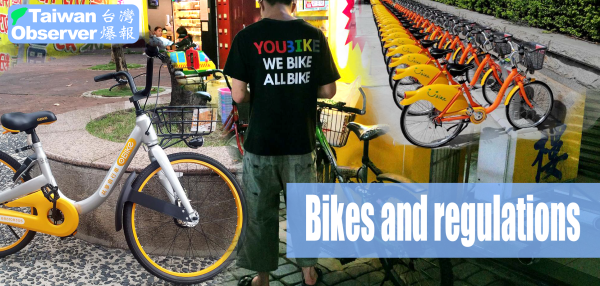
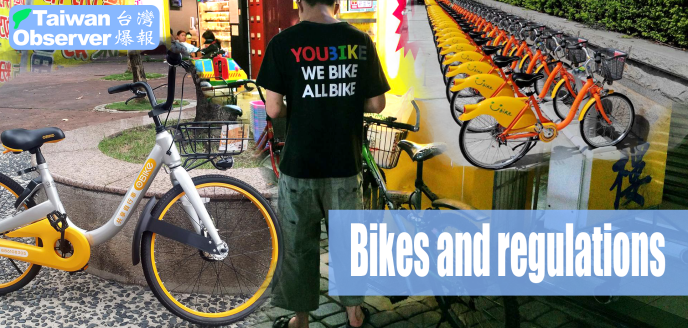
Taiwan has always been a place where bicycles are a big deal. Recently there have been innovations in bike-sharing and related tech. Along with those innovations are new regulations and an effort by the government to support and facilitate more bikers in the city. The biggest and most visible of these innovations has been the Youbike. In almost every major city in Taiwan, you can find Youbikes docked at their stations, or see people riding them around. Due to the success of these bike-sharing initiatives and the growing public demand, local city governments have been putting in more bike lanes and building more bicycle-friendly infrastructure. Taipei City government has pledged to build 700 km of bike paths by 2030, with 500 km having already been completed. The sidewalks in many areas have been widened to about 3.5m to accommodate bikes and pedestrians.

Not only have there been structural developments for cyclists and bike-sharing, but changes have been made in regulations, too. Taipei City, for example, has now put new regulations in place to fine cyclists who are not in designated cycling areas. A NT$ 300 fine will be levied against violators. There are also new regulations against riding a bike while intoxicated, with a possible NT$ 600 fine for a 0.03 on the breathalyzer. The new regulations do not stop there. Taipei also put in place a fine of NT$ 100 for illegally parked bikes, and a NT$ 25 for every 12 hours the bike is stored on the impound lot. If the bikes aren’t claimed, they’ll be sold at public auction.

Not only will regulations be tightened for cyclists and bikes, authorities will be cracking down on bike-sharing programs, too. New Taipei City has issued a parking ban on the dockless bike-sharing bikes like Obike. Obike, the Singaporean company that has recently gotten into the bike-sharing space said it will appeal the decision to not allow their bike to park in scooter spaces and at bike parking areas near the MRT stations. Many in the online community were upset by the way Obike were invading their parking spaces, and protested Obikes that are often illegally parked.

Bikes are always a hot topic in Taiwan – whether it’s scooter riders up in arms about bikes in their spots, or cyclists complaining about scooter riders’ dangerous driving habits. There’s always a discussion to be had about bikes and their regulations.

Here is a video we made about how to use a Youbike.


Vincent Lovell

Welcome to Taiwan Observer

Taiwan Observer is here to bring you the news from within and around the beautiful island like never before. We are building a collective of local writers, film makers, journalists and independent news agencies to break new grounds in the industry. We are currently an English-only news source and aggregator, with expectations of expanding into more languages and regions.

We post several times daily on our Facebook page, and try to keep the feed full of news as it breaks. Taiwan Observer is also on YouTube with its own original video series such as “How to Taiwan,” “Taipei Nights,” “A Walking Tour,” and more. Facebook groups are available, too, for those who want to be part of the discussion and share more news about Taiwan. We also have Twitter and other sister groups and pages. All the links can be found below, so check it out and join this fast-growing community.


Create a website or blog at WordPress.com

Up ↑