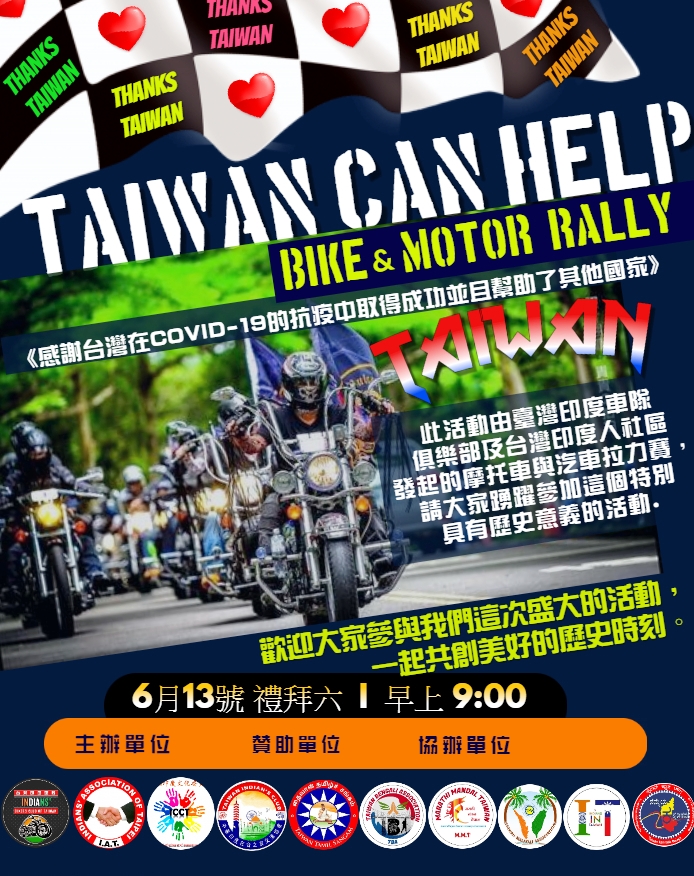
Thanking Taiwan: Indian Community in Taiwan to hold Bike & Car Rally, June 13th

By Jaya Asmi 

TAIWAN CAN HELP- From the New York Times to the skies of Sydney to being printed on the millions of boxes of masks sent to dozens of countries – this slogan is everywhere! And soon you can find it on bikers’ t-shirts and flags during a rally dedicated to Taiwan’s COVID-19 success. 

Yes, Taiwan can help share the success of dealing with the grim pandemic that has taken the world by a storm this year. With millions of people affected by the novel Coronavirus around the globe, this tiny island has risen like a roaring lion. Learning from its previous SARS-2003 epidemic and the 2009 H1N1 outbreak, the island was well prepared with the appropriate laws in place, timely tracking of the outbreak in China, scrupulous monitoring and testing, and effective treatment in well-equipped hospitals. 

However, Taiwan did not just bask in the glory and praise it received from around the world in effectively dealing with COVID-19, it has gone many steps further and is sharing its technical know-how and equipment with other countries. Taiwan might have been excluded from the WHO but it has refused to be isolated. Taiwan has provided more than 16 million medical masks to support medical professionals around the world and has worked together with the US and the EU on the most advanced rapid tests and vaccines for COVID-19.The Indian community in Taiwan has felt touched by how Taiwan has treated citizens, residents and tourists alike- with respect, dignity and compassion. Taiwan has seemed like the safest place to live on earth during these tumultuous times. We have felt proud to be living in a country that was one of the few who reached out to Red Cross Society of India and sent 1 million masks to protect its vulnerable medical personnel. We want not only our fellow citizens back home but also the whole world to know how much we appreciate this beautiful island that we call home. We hope that the world will take notice of this event and support Taiwan in every way possible as it is not just Taiwan, but the rest of the world too which gains from being inclusive.

On June 13th, hundreds of members of the Indian community from all walks of life will come together in the form of a motorbike and car rally to show our appreciation to the government and people of Taiwan. The event is organized and supported by the different Indian associations of Taiwan. This is the first time any foreign community living in Taiwan is coming out and saying thanks to Taiwan. 

#TaiwanCanHelp

#TaiwanIsHelping

#ThanksTaiwan

#StandbyTaiwan

The Hypocrisy of Dr. Tedros Adhamon Ghebreyesus, WHO Director General.

Some weeks ago the Director General of the WHO (World Health Organization) Dr. Tedros Adhamon Ghebreyesus accused Taiwan of racial attacks against him. He even went as far as to say the Taiwanese government was complicit in this racist campaign against him by not denouncing it and even encouraging it. Taiwan denied this. Following these baseless accusations, he failed to provide evidence of his claims. My guess is that his Chinese handlers showed him a few posts floating around there on the internet and told him they came from Taiwan. Also, he felt personally attacked because a petition to have him resign as the head of the WHO, for his many failures, had been launched by someone in Taiwan. The petition had garnered over a million signatures by the time it was closed by the creator, Osaka Yip. I signed that petition and I hope you did too. 


Only the problem for him, yet again, is that his words have come back to bite him. In the same week that he was chastising Taiwan with the now infamous phrase, “This attack came from Taiwan” (which had a great hashtag associated with it ,#ThisAttackCameFromTaiwan), China’s government instituted a controversial and entirely racist crackdown of African migrants living in China. Restaurants refused to serve black people, landlords evicted African tenants and left them homeless, Africans were being forcibly tested for the coronavirus, and stores refused them entry. The situation got well out of control with many African nations, such as Nigeria, Ghana, Kenya and more raising the issue with Chinese authorities. Some nations, like Nigeria, even summoned Chinese ambassadors and demanded they respond to the allegations. In hindsight, it seems like it was mostly for show, as many didn’t go further than that. But we’ll see. 

Too much reading? Watch the video!

Yet Dr. Tedros has remained silent on the issue. Almost as if he isn’t allowed to speak of it, akin to the time Dr. Bruce Aylward pretended not to hear questions about Taiwan and hung up on an RTHK journalist when she repeated her questions…only to answer a follow-up call and insist that he had already spoken about China…which Taiwan is not a part of.


He was quick to condemn the Taiwanese and our authorities for the petition and what he perceived as a racist virtual attack towards Africans from Taiwan, which he claimed was sparked by their discontent with his directorship of the WHO. At the same time, he has kept silent when an actual racist attack is being perpetrated by the Chinese government. The hypocrisy is astounding!


Let me see if I can offer some explanation as to why this could be. We already know how the Chinese government operates in the UN and other international organizations on all matters regarding Taiwan. And how they constantly bully or as they would say “use the carrot and stick method” to push their “One China” propaganda on the world. To better understand this situation, we can take a closer look at Tedros himself.


He was the Minister of Health for Ethiopia, his home country, from 2005 to 2012, during which he had been accused of covering up cholera outbreaks in the country. However, he was also praised for helping in sharply reducing the mortality rate of AIDS and TB patients, and helping to open up thousands of new health centers and 30 new medical universities(DW report). He then became the country’s Minister of Foreign Affairs, serving from 2012 to 2016. The following year, he was appointed WHO Director General, and has held the position since. 


An important bit of context to note is that Ethiopia’s current government is headed by the Tigray People’s Liberation Front, who came into power in 1991 after overthrowing the previous regime, the “People’s Democratic Republic of Ethiopia”; the Front has held the seat of power ever since. They considered themselves to be Marxist-Leninist until 1990 when they rebranded and began to operate under a revolutionary democracy Tigray nationalism framework. This was after the fall of the Soviet Union, when “communism” became less popular. 


The reason for breaking out his resume and talking about his government is to show that he undoubtedly made friends with Chinese government officials during his time as Minister of Foreign Affairs. He must have spent a great deal of time with them, seeing as China is the largest foreign direct investment (FDI) partner they have in the country, accounting for about 60 percent of the newly-approved foreign projects in the East African country during 2019, according to the United Nations Conference on Trade and Development (UNCTAD) Report 2020. This is the 4th largest investment China has made in all of Africa. The FDI inflow amounted to $2.5 billion USD in 2019 and 3.3 billion in 2018. That’s a lot of money. 


It isn’t hard to see how China would be able to pull the strings on Tedros, as they often threaten to hurt the economies of countries that don’t regurgitate their propaganda. This might also help explain why he praises China and sticks to the CCP narrative as much as possible. He doesn’t really have a choice, does he? And who knows – maybe he has personal investments that could be in jeopardy if he rubs the CCP the wrong way, but there is no way to prove that definitively at this time. The CCP, however, will keep investing in Ethiopia, as it is the home to the African Union and it pays to have influence in the country that houses the political center of Africa. 


To conclude, Dr. Tedros Adhamon Ghebreyesus is a massive hypocrite and destroys his own credibility daily with his actions as the Director General of the World Health Organization, and doesn’t need help from Taiwan and its nationals to do so. He is quite capable of finding ways to prove his hypocrisy all on his own. This incident is just one of many and more to come. 


by Vincent Lovell


Portion of the cover photo was taken from artists @nagee

TAIWAN BANS ENTRY TO ALL FOREIGN NATIONALS!

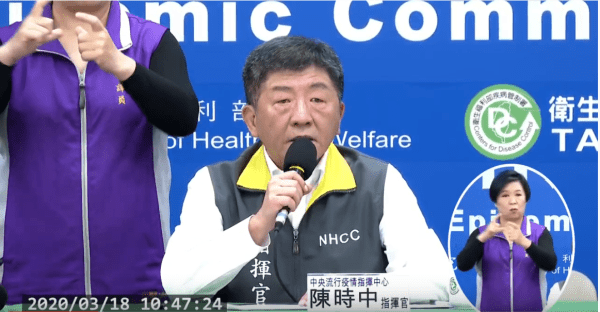
During a press conference with CECC (Central Epidemic Command Center) on Wednesday, March 18th, Taiwan foreign minister Joseph Wu announced that all foreign nationals will be banned from entering Taiwan for the foreseeable future. This does not apply to those who are residents of the country (ARC and APRC holders), diplomatic officials, and business people with special entry documents.

Chen Shih-chung, head of the CECC, also announced that all travelers arriving in Taiwan will be subject to a 14-day quarantine regardless of whether they are a Taiwanese citizen or not, or where they are entering from.

Previously the Vice Labor Minister Lin San-quei said migrant workers who have traveled outside of Taiwan will also see a temporary ban from returning until the Wuhan Coronavirus pandemic subsides. This ban will commence on Thursday, the 19th of March. Migrant workers in Taiwan who wish to travel abroad will no longer be issued a re-entry permit by the National Immigration Agency Ministry of Labor.

Walk Among the Clouds at the Top of Taipei 101

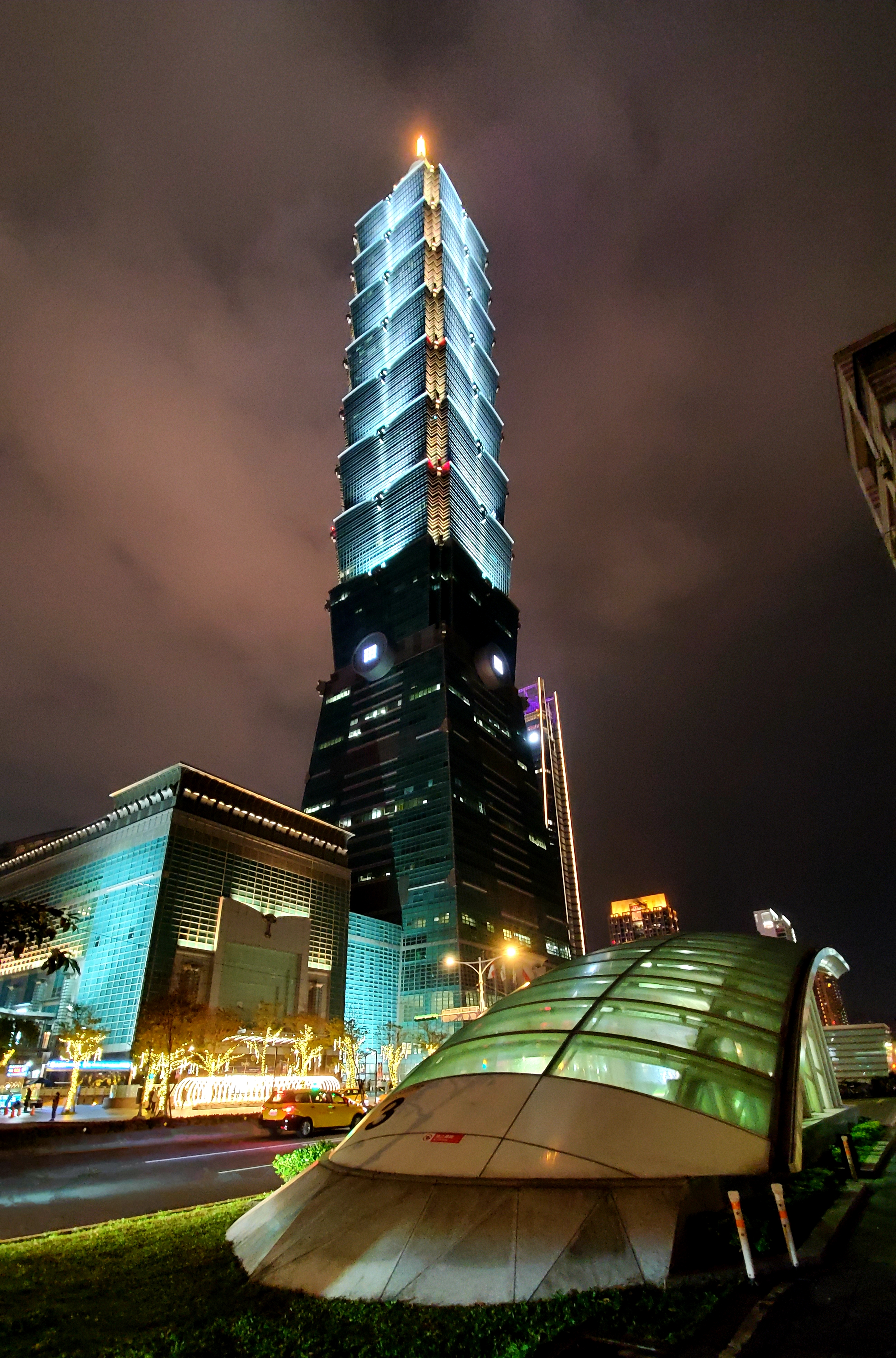
Despite its modest 15-year history, Taipei 101 has quickly cemented its place as one of the most iconic and beloved landmarks on the island. 

The eight-tiered skyscraper, slender and understated, yet majestic, is impossible to miss, be it near or from afar – and both literally and figuratively, what with its image plastered onto T-shirts, keychains, postcards, and a bevy of other merchandise found in department stores and night markets across the city. To locals, Taipei 101 has become a familiar presence, one that we often find ourselves instinctively on the lookout for when admiring the scenery from a rooftop or some other great height. Naturally, the stately tower attracts millions of visitors each year (it welcomed its 20-millionth visitor in the spring of 2016), excluding, without fail, the thousands that flock to the area to take in the fantastic fireworks display up close every New Year’s Eve. 

1

In June of 2019, management announced that the gates to the observation deck on the top floor would be opened to the public for the first time, as well as the debut of its new Skyline 460 feature; the outdoor deck now serves as a companion to the original viewing platform on the 89th floor. 

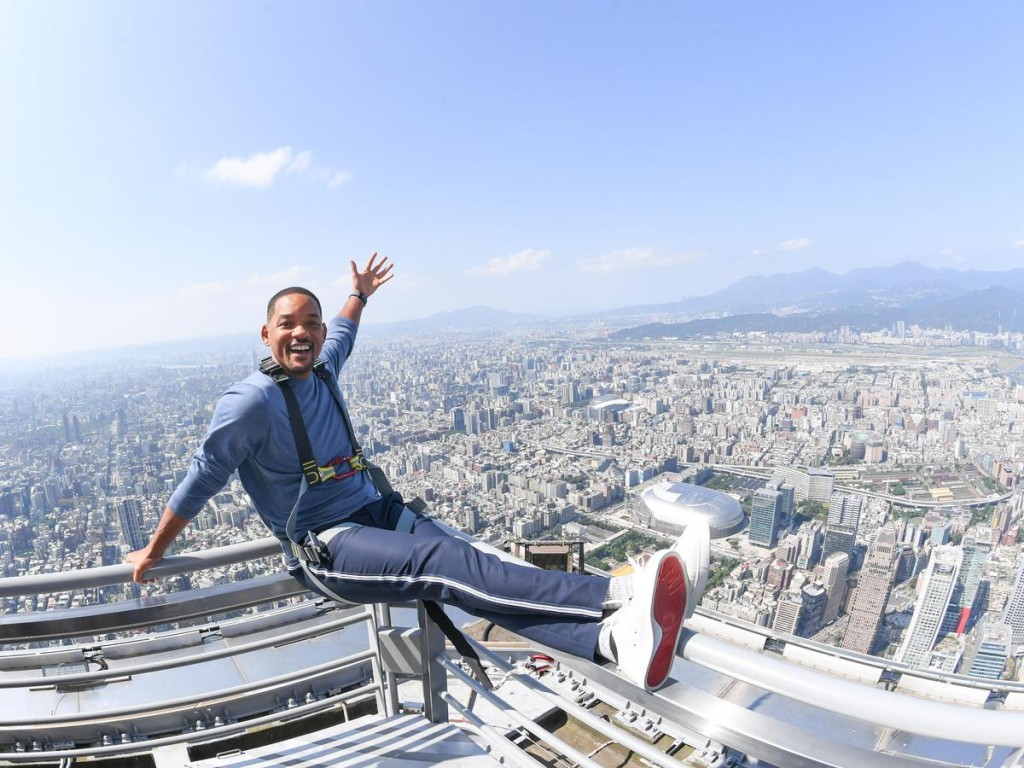
Chances are, you’ve come across the widely shared photographs of history’s freshest prince, Will Smith, posing up a storm on one of the world’s highest terraces when he visited Taiwan last October to promote his film, Gemini Man. 

2
photo:UIP

3
photo:UIP

Taiwan Observer was recently invited to experience Taipei’s pride and joy from a fresh and exciting perspective, a special adventure arranged by MyTaiwanTour. (click the link to take the tour)

Fun facts captured in infographics, an interactive multimedia wall, and sculptures dotted along the corridor entertained those waiting for their turn on the elevator. Designed and erected by C. Y. Lee & Partners, a local architectural firm, Taipei 101 shattered the world record when it was first unveiled in October 2004. It achieved the title of tallest building in the world at its impressive height of 1,667 feet (508 m), sailing past the Petronas Towers in Kuala Lumpur, and remained unrivaled until 2010, its thunder snatched by the 2,716-ft-tall (828 m) Burj Khalifa in Dubai. The skyscraper has since been demoted to 11th place, sandwiched between Beijing’s China Zun and the Shanghai World Financial Center. 

After a headcount and a brief breakdown on the day’s activities, we rocketed to the 89th floor in 37 seconds flat, as indicated by the video screen on top of the elevator buttons. The lift to the lower observatory, which travels at a speed of 60.67 km/h (37.7 mph), is among the fastest of its kind. 

As to be expected, the indoor observatory was astir with tourists and sightseers peering out the floor-to-ceiling windows, amusing themselves with touch-screens and displays, and browsing the gift shops. 

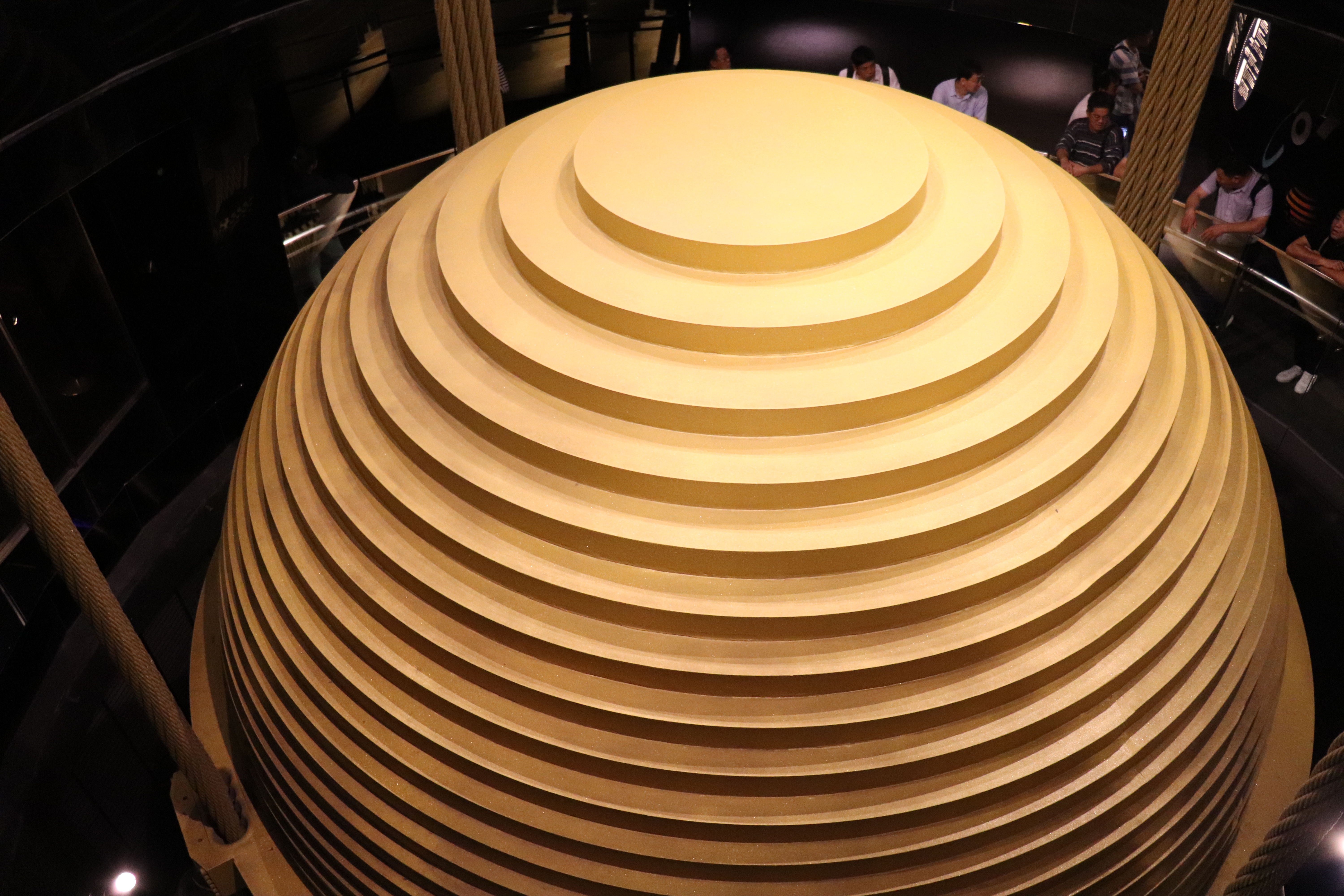
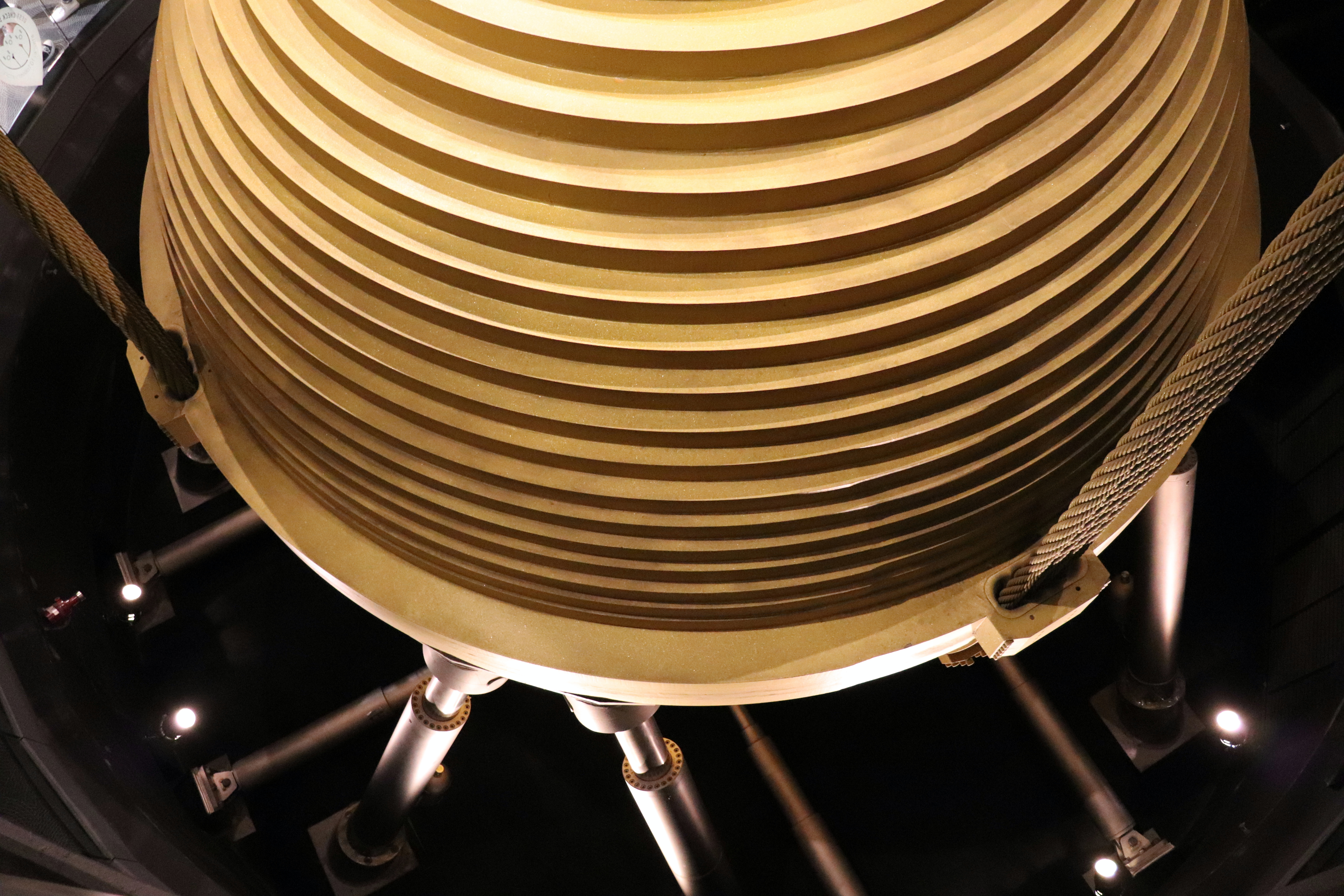
Before the main event, we were shepherded into a separate room to check out the gargantuan globe suspended between the 87th and 92nd floor, which was installed with the island’s high propensity for earthquakes and typhoons in mind.  The innovative design of the “tuned mass damper,” which weighs a whopping 660 tons and is capable of absorbing up to 40% of the tower’s movements, effectively stabilizes and guards the structure against these acts of God.

89

To access the observation deck on the top floor, we rode up two different elevators and scaled another flight of stairs. Those looking to conquer their acrophobia may find comfort in the fact that all sky-walkers were required to strap into safety harnesses provided by the staff. Clear plastic pockets with neck straps, for those who wished to bring their cellphones with them, were also available.

Upon entering the 360-degree observation deck, our guides clipped our harnesses onto the railing, which some of us clung onto for dear life. All nerves, however, were almost instantly calmed by the stunning panoramic view that greeted us, coupled with the embrace of an exhilarating breeze. For the next 40 minutes, we marveled at and snapped multiple shots of the seemingly endless circuit board-esque vista, all the more enhanced by the sliver of gold slicing through the horizon. 

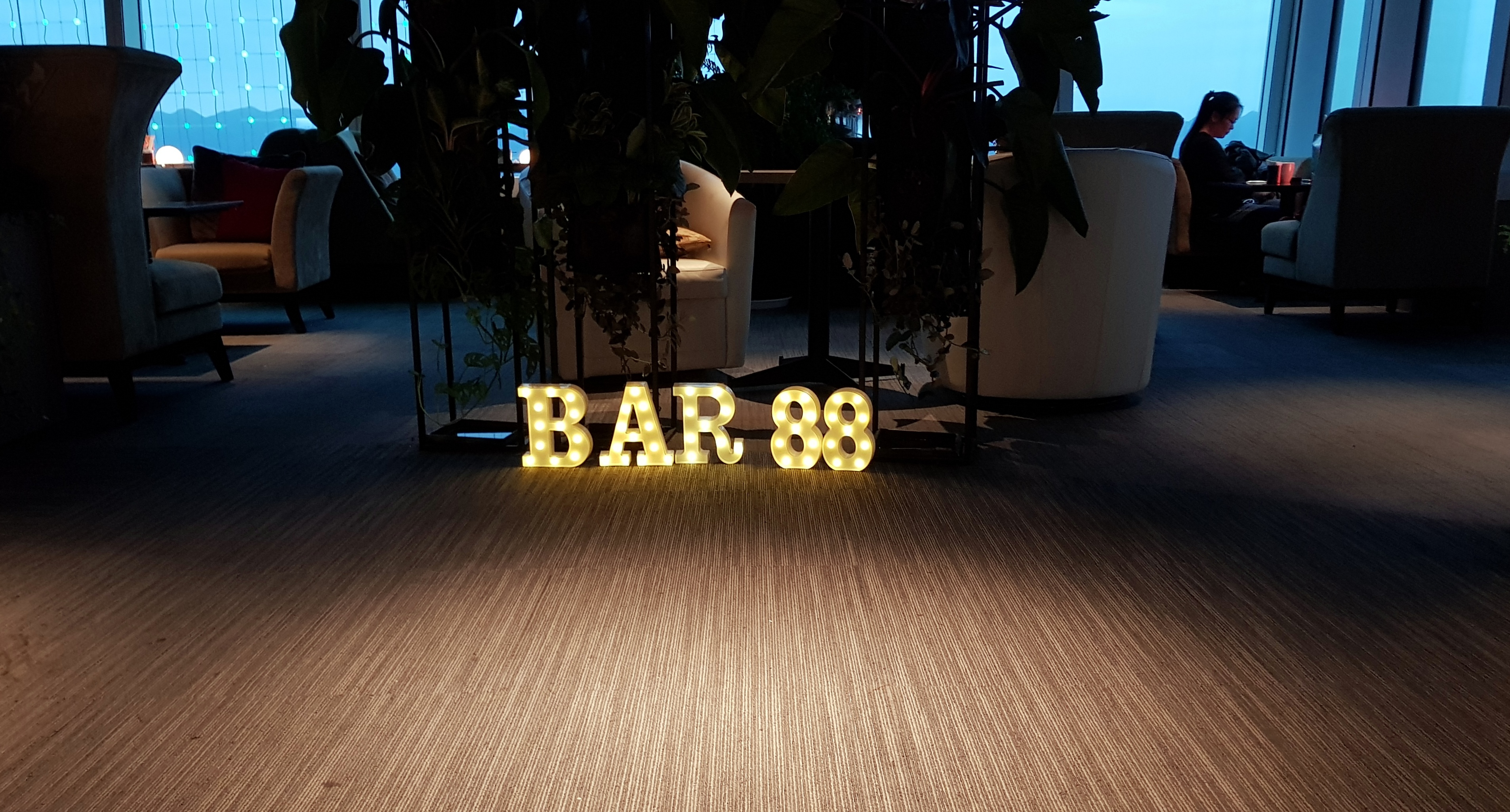
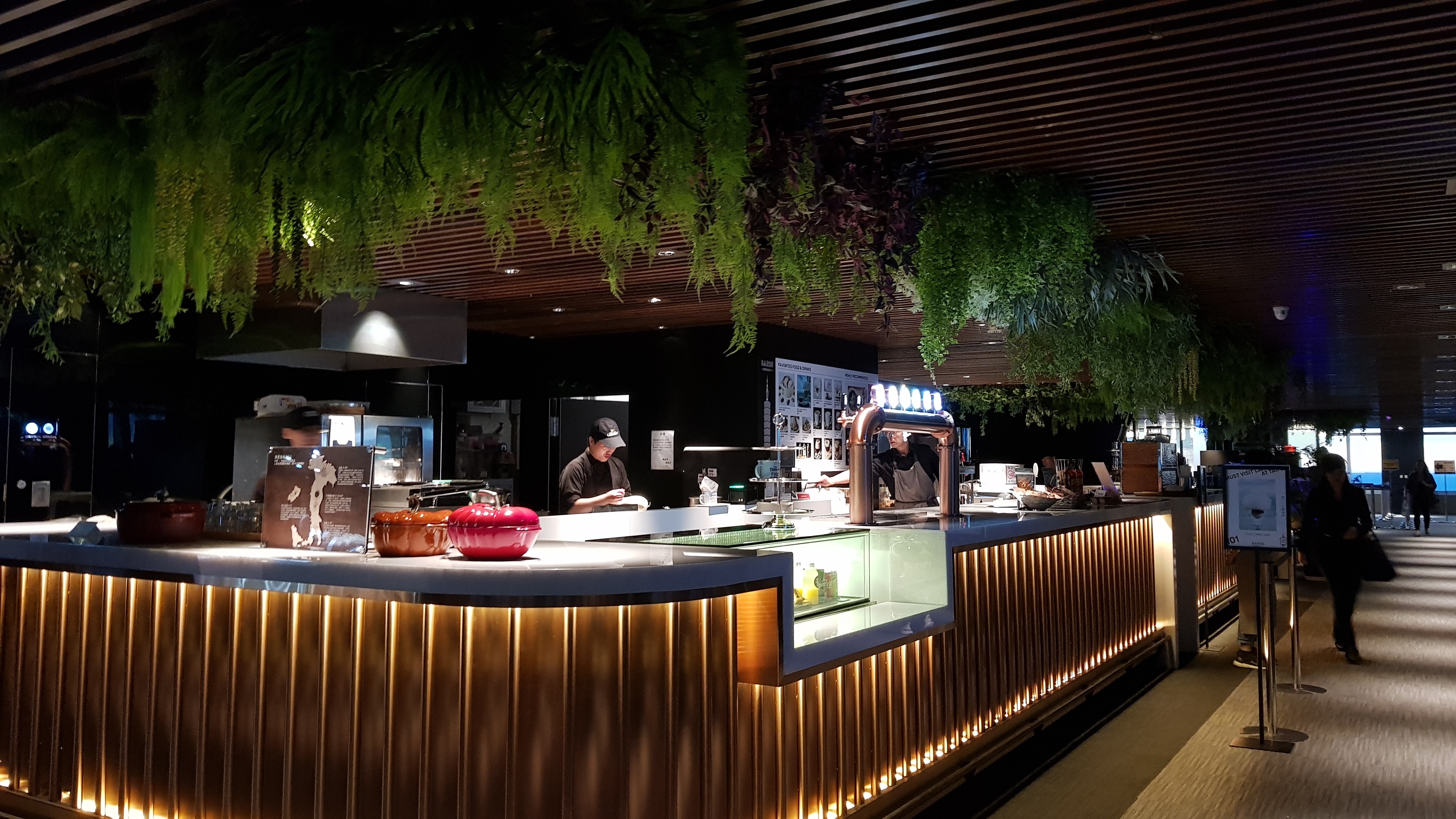
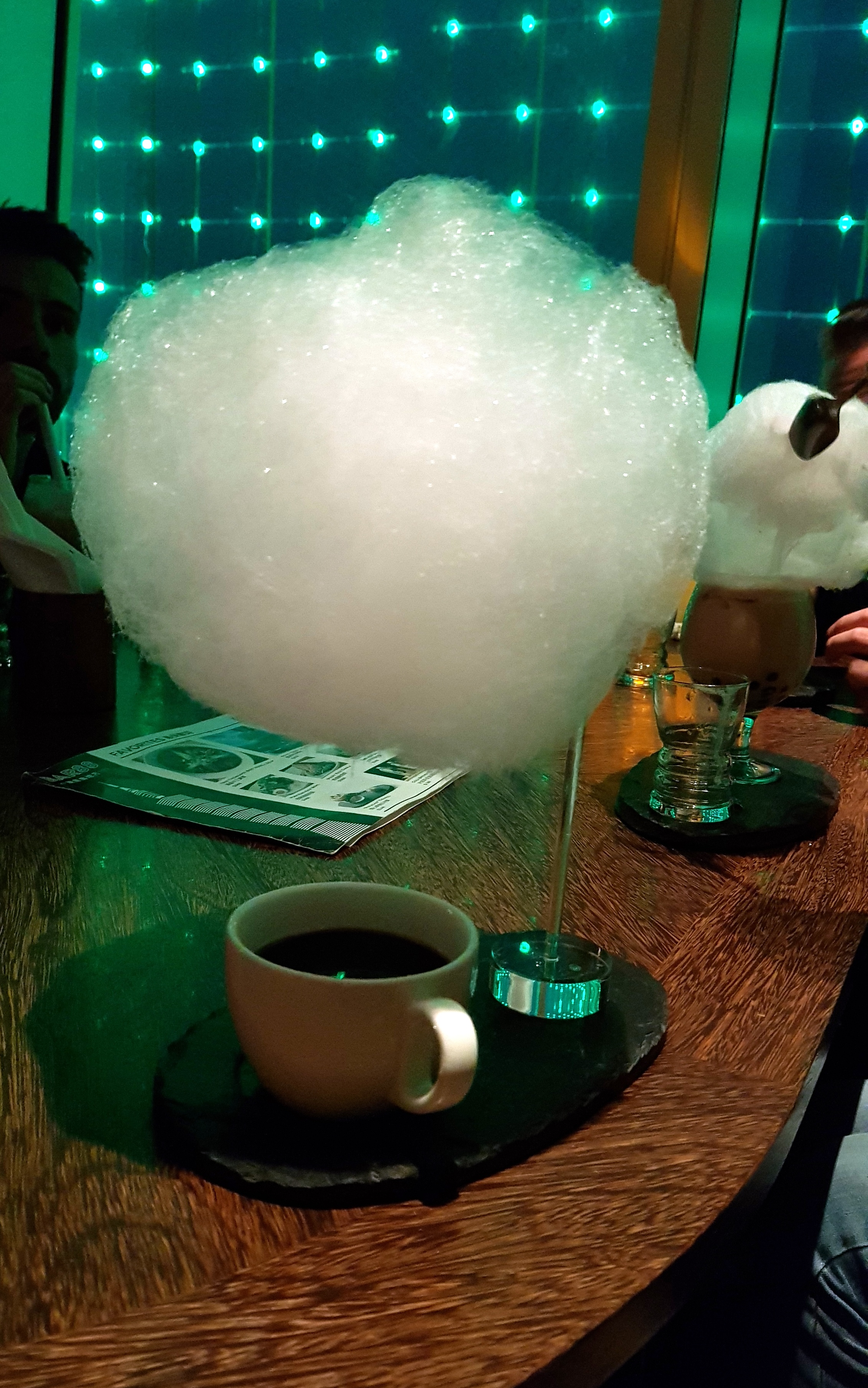
Our stroll among the clouds was topped off with a cloud of a different kind. Following our trip to the outdoor observatory, we headed down to the chic and aptly-named Bar 88 on the 88th floor. Here, we enjoyed a round of their signature beverages: a selection of “cloud” coffees and teas. The “cloud” bubble tea (雲朵珍奶), crowned with a delightful afro of cotton candy, is definitely one to try out. Those who aren’t keen on tapioca pearls can opt for coffee (雲朵咖啡), which is presented with the illusion of a cloud hovering over your mug. 

29303132

A cool gift bag, which included a collectible mug, a souvenir photo from the Skyline 460 experience, and a flat bottle of “pocket water” completed our adventure.

If you want to take this tour of 101 visit MyTaiwanTour to book it now.

Taiwan #1 in world health care rankings 2 years running.

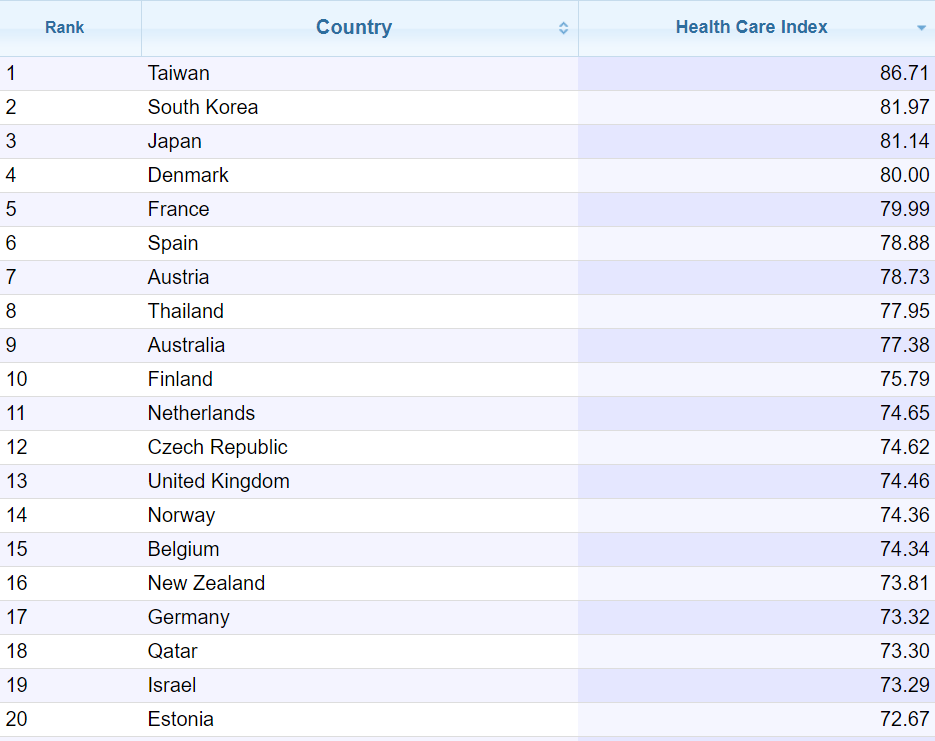
In the annual “Health Care Index by Country” by Numbeo Taiwan’s health care has been ranked #1 out of 93 countries surveyed. This is the second year in a row Taiwan is #1 in the rankings by the online database.

Taiwan received the highest score of 86.71 out of 100 this year, with last year’s score coming in at 86.22. South Korea and Japan came second and third respectively. With South Korea at 81.97 and Japan 81.41. In comparison to its two closest rivals there is an almost 5 point gap and a rise of 0.49 over last year’s numbers.

Top 20:

health care index


According to Numbeo, the results are based on surveys from visitors to its website. 32,883 respondents from 3417 cities were asked to score the overall quality of health care in their country. Here is what they looked at during scoring.

  • Skill and competency of medical staff
  • Speed in completing examination and reports
  • Equipment for modern diagnosis and treatment
  • Accuracy and completeness in filling out reports
  • Friendliness and courtesy of the staff
  • Responsiveness (waitings) in medical institutions
  • Convenience of location for you

Taiwan may be a small island but the healthcare system is affordable and effective, the people who live here seem to agree through the results of this survey.

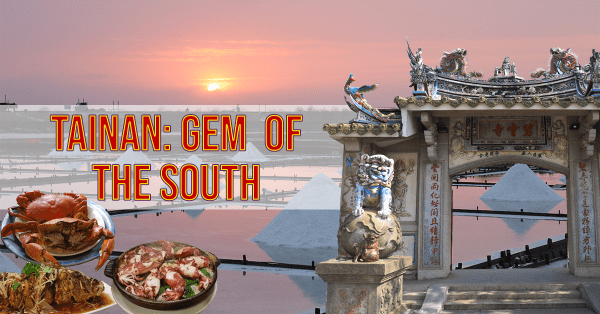
Why Tainan is the Gem of the South

Immersing yourself in flashing lights, pulsing music, and smoke machines can indeed be a grand way to celebrate the weekend. That being said, it can also be immensely rewarding to unwind by another route: to step back from the sometimes relentless, never-ending motion of Taipei City life, treat yourself to a quick getaway, and soak up some sun and culture. There’s no need to book a flight, hop on a plane, and jet over to the nearest white sand beach just so you can de-stress, either – which is ironically quite stressful in itself. Sometimes, the greatest treasures are hidden in our own backyards. 

Just recently, Taiwan Observer joined MyTaiwanTour (click the link to find tours like this and more) on a trip to Tainan, the oldest city and one-time capital of the island. Tainan’s love for timeless recipes, the genuine hospitality of its locals, and its vintage, time capsule-like quality are just a few of its charms. Here are some of the attractions you don’t want to miss:


Huoshan Biyun Temple (火山碧雲寺)

Nestled about midway up Zhentou Mountain (Pillow Mountain) in Tainan’s Baihe District, the sanctuary bears all the hallmarks of a classic Taiwanese temple – from its remote location and mystical aesthetic to its own unique folklore. The temple, which features a blend of Japanese and Fujian architectural styles, has remained largely untouched since its debut 221 years ago; some of the red bricks and wooden beams used in its original construction are still visible. Next to the temple is a cluster of boulders with a small cavity in its center. Legend has it that rice magically streamed out of the hole year round, providing the temple residents with ample food day in and day out. That was until a gluttonous monk attempted not only to take more than his share, but to hoard all the blessings. Never again has a single grain of rice tumbled out of that hole.       


Guanziling Mud Hot Springs (關子嶺溫泉風景區)

Those looking for a twist on the traditional hot spring experience or to unleash your inner swine will want to check out the Guanziling Hot Springs, home to the only mud baths on the island. Japanese soldiers brawling with local anti-Japanese forces stumbled upon one of these unusual springs in the late 19th century. Specialists who were convinced by the medicinal properties of the mud pools aided in propelling Guanziling to the forefront of the hot spring game; it was soon crowned “Taiwan’s Number One Hot Spring.” 

The rejuvenating mud baths are replete with natural minerals and antibacterial sulfur that are said to eliminate toxins, fortify the immune system, alleviate joint pain, and soothe certain skin conditions and minor ailments. Take a dip in the velvety pearl-gray waters, whip up a creamy lather, and bask in the sun like a majestic seal. Be prepared to emerge fully relaxed with all the negative energy flushed out of your system and buttery-soft skin to boot.      


“Salt Town”/YanXiang B&B Restaurant (鹽鄉民宿餐廳‧古早味風味餐) Traditional Beimen Cuisine

The restaurant owner, Mr. Hong, who has become something of a celebrity in these parts, decided to return to Jingzhaijiao years ago to launch a business that would celebrate the underrated culture of his beloved hometown. The rustic interior is a throwback to simpler times and offers the kind of warmth associated with visiting a dear relative or old friend, but its award-winning dishes are the stars of the show. Be sure to try their signature crispy boneless milkfish, milkfish sausages, oyster rice noodles, and a steaming plate of extra-large, deliciously juicy clams. Postcards and letters from happy customers are proudly displayed under the glass tops of the dining tables. 


Beimen Saltworks

After lunch, we were given a tour – via a miniature train – of the Beimen salterns (北門鹽場) and the old saltworks by Mr. Hong himself, which included a stopover at Saltern No. 16 to sample some edible grass. The Beimen Salt Works Administration Office, listed as a historic building, is easily one of the most standout structures within the saltworks complex. The turquoise timber structure, which features quintessential Japanese Colonial and British building techniques, was constructed in 1923, and was the former center of the surrounding salt fields, overseeing taxes as well as the sales and distribution of the hot commodity. 


Mercy’s Door Free Clinic

In the wake of the 1957 outbreak of blackfoot disease that swept across Beimen and other neighboring townships, Dr. Wang King-Ho (also spelled “Wang Jin-He) and Presbyterian missionary Lillian Disckson, on behalf of the Mustard Seed Mission, co-founded the Mercy’s Door Free Clinic. The blackfoot epidemic, which resulted in raw, pus-gushing lesions, blackened and mummified gangrene-riddled appendages, and a host of organ-specific cancers, was most likely caused by the locals’ 80-year exposure to “artesian well water” tainted with arsenic. The clinic opened its doors to the public three years later with Wang as head physician, and between 1960 and 1986, served as a safe haven for sufferers of the terrible disease, who received medical treatments free of charge.    


Jingzhaijiao Tile-Paved Salt Fields (井仔腳瓦)

Set against a backdrop of the glittering Beimen Lagoon, the Jingzhaijiao Tile-Paved Salt Fields are a spectacular sight. The salt ponds, the oldest of its kind in Taiwan, are neatly spread out across square mosaic tiles, hence its name, with conical mounds of lace-white salt seated within each square of the glassy grid. The iconic salt fields were first developed in 1818 during the reign of Qing Emperor Jiaqing, and was originally known as the “Laidong Salt Fields.” Salt miners ingeniously sprinkled broken pottery fragments over the salt ponds to keep salt crystals from clinging to the soil. 

The salt ponds were temporarily abandoned when the local salt industry crashed in 2002, but the salt fields were soon resurrected and transformed into a popular tourist attraction. Be sure to catch the salt ponds at sunset, and keep an eye out for the enchanting swirl of birds fluttering over the lagoon. Visitors can also shimmy across the walkway, and receive blessings of peace, love, and good fortune in the island’s only pig goddess (豬母娘娘) temple. After a mob of villagers decided to drive a pregnant sow off a cliff, as the legend goes, local farms and farmers became cursed by a string of bad harvests and inexplicable illnesses. They quickly erected a shrine dedicated to the sow, and only then, they say, was the curse finally lifted.


Zhuxinju Restaurant (筑馨居)

Dine like a true Qing dynasty local in this century-old house, which features most of its original doors and roof tiles, and brick walls adorned with vintage plaques, paintings, and shelves lined with old pottery and spice jars. The restaurant’s lack of a fixed menu only makes the dining experience all the more memorable. Expect textbook old-school Tainanese cuisine, which primarily focuses on seafood, local produce, and flavorful broths. The owner of the restaurant, Mr. Chou, was kind enough to introduce us to his prized antiques collection, among which included a portable general goods store mounted onto the back of a bicycle, an old-fashioned cash register, and an assortment of medicinal jars and vials.   


Thinking Homestay/Bed & Breakfast

We topped off our trip down memory lane with an evening at Thinking Homestay. Each room of the stunning old manor-turned-bed-and-breakfast boasts a distinctive decor and layout, and is furnished with Japanese-era antiques and heirlooms. Guests can also grab a nightcap at the old-timey, no-menu bar, manned by an effortlessly cool bartender, behind the reception area on the ground floor.  


Wushantou Reservoir (烏山頭水庫)

In 1919, Japanese hydraulics engineer Yoichi Hatta took on the ambitious task of designing and building an irrigation system for the Chianan Plain. Construction of the Wushantou Reservoir began the following year and was completed in May of 1930. The sprawling reservoir, which had a capacity of 150 million cubic meters and was fitted with a powerful, earthquake-resistant dam, was once the largest reservoir on the continent. Hatta’s innovative irrigation system tapped into Coral Lake, where over 30 rivers collide, and regularly supplied water to over 100,000 hectares of farmland, turning the once sterile plains into a thriving center of rice cultivation. Today, it is the only reservoir in the world that actively employs the “semi-hydraulic fill technique.”   

Statues and shrines devoted to Hatta and his family are scattered across the Yoichi Hatta Memorial Park. Tragedy struck twofold when Hatta’s ship, en route to Manila, was sunk in a World War II submarine attack in 1942; a portion of his ashes were buried on reservoir grounds. Unable to cope with the sudden loss of her husband, Hatta’s inconsolable wife, Toyoki Yonemura climbed onto the red bridge above the reservoir and leapt into the surging waters three years later. 

Visitors can also enjoy a dreamy cruise on Coral Lake, studded with 100 scenic isles and peninsulas, explore quaint Japanese-style houses, and (if you’re lucky) a lovely serenade from a local zither master.

High school students pitch Taiwan’s “Shark Tank”, Dragon’s Chamber Taiwan on their businesses

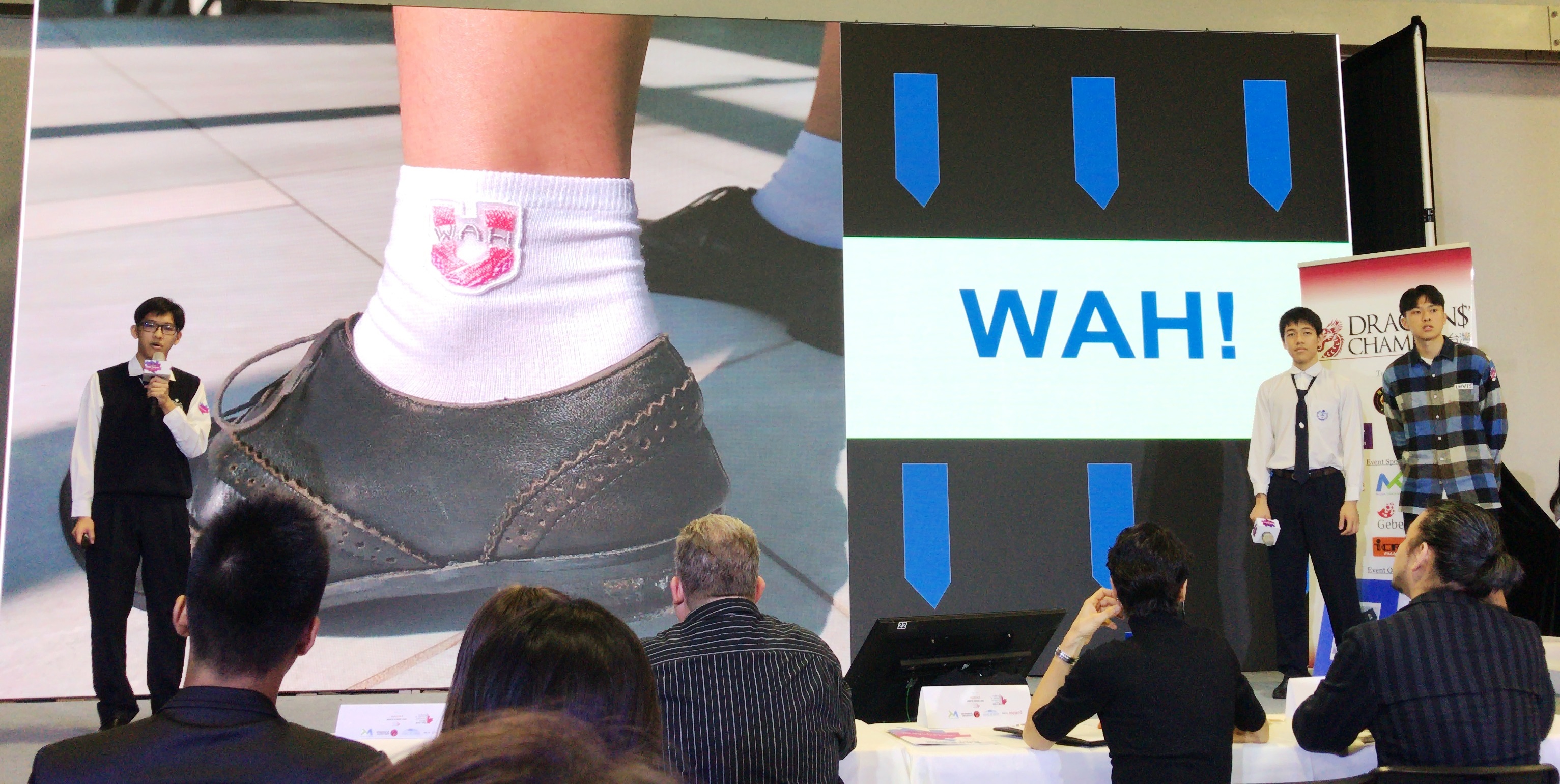
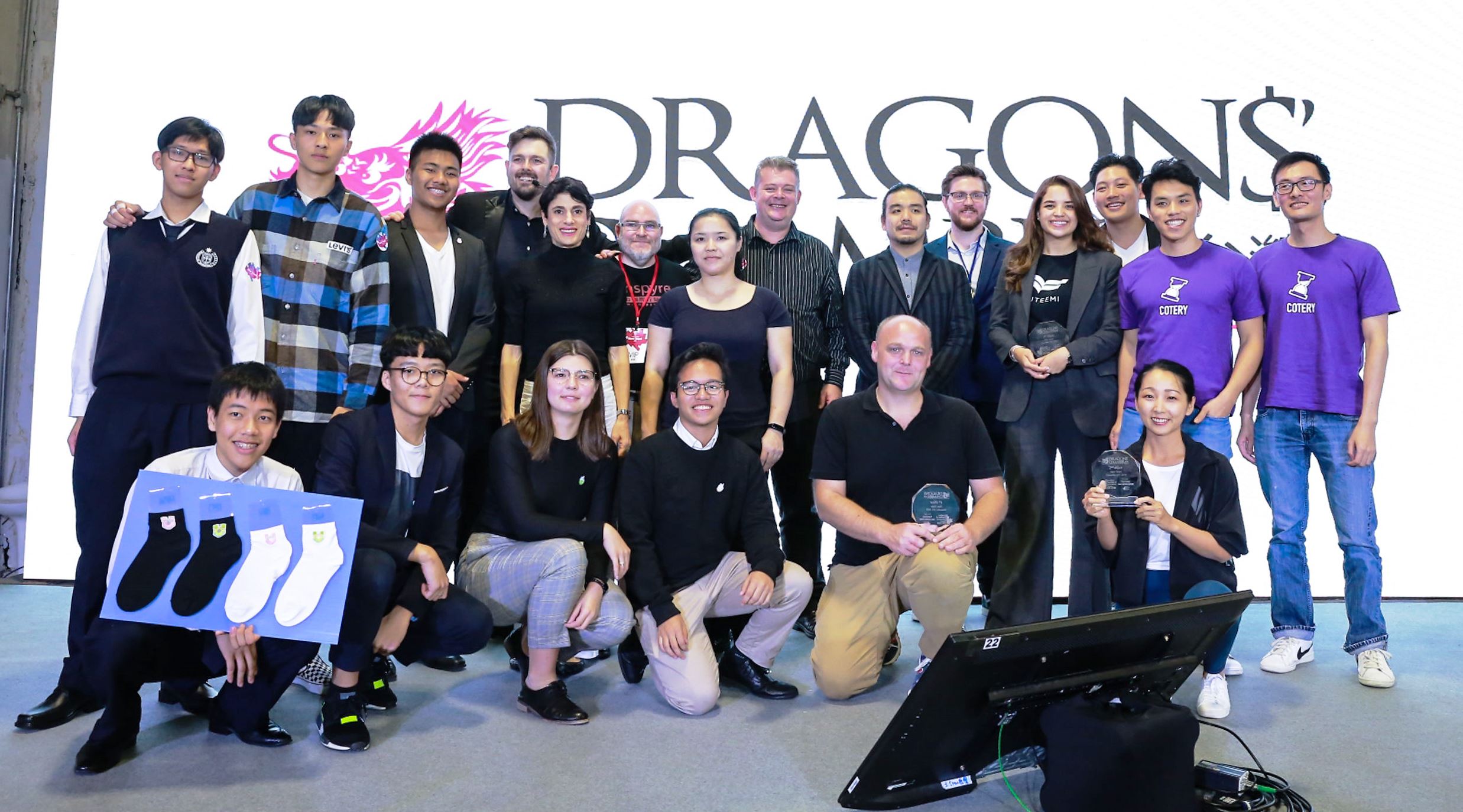
Two High School entrepreneur groups from Dominican International School participated in last week’s Dragons’ Chamber event at Meet Taipei 2019. 

In this annual event finalists pitch their businesses to long-term, established expatriate entrepreneurs in Taipei. The organizers gave two of the school’s student businesses the opportunity to pitch their businesses to showcase the Dragons’ Chamber organizers’ commitment to the training of young entrepreneurs for the past three years. The young entrepreneurs are Senior High School students in their final school year.

Jeim D's C (1)

Three years ago Dominican International School student entrepreneurs pitched their businesses for the first time to the “dragons” in the first elimination round, hoping to eventually get into the final. The organizers of the event have supported the young entrepreneurs ever since and every year, they participate in the first elimination round of The Dragon’s Chamber. This year, the organizers gave the two most promising high school businesses the chance to showcase what they are doing, and to show the support the Dragon’s Chamber gives the school and the young entrepreneurs.
Elias Ek, one of Taipei’s best known expatriate entrepreneurs and the author of “How to Start a Business in Taiwan” is one of the school’s esteemed supporters of the Entrepreneurship project. He knows how to identify with the young entrepreneurs and how to inspire them, because he started his first business at the age of fifteen.  The students feel that they are given real advice and they act on the recommendations of the business people present during their initial pitch. Jessie Hung, one of the main organizers of the 2019 Dragon’s Chamber has also been a student supporter for the past three years. She is always ready to share valuable ideas with them, and to give much needed advice.

Wah D's C

Entrepreneurship is part of Dominican International School’s 21st Century Project Based Learning where the school teams up with outside partners to help students to create a public product. This means that students present their work to an audience beyond the classroom. These students run real businesses and the successful ones step away with well-earned profit at the end of the school year.  Some of these young entrepreneurs went on to partially fund their university education from their own start-ups after leaving school. 
21st century Project Based Learning teaches Generation Z students very valuable skills, also known as the 4Cs – they are critical thinking, creativity, collaboration and communication. Students therefore learn how to solve problems and how to think beyond the box. They learn to work together to achieve a common goal and to communicate in such a way that they convey their ideas clearly.

All contestants D's C

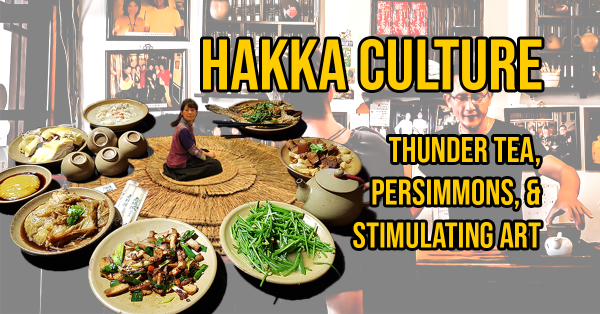
A Taste of Hakka Culture With MyTaiwanTour

Night markets, bubble tea, shrimp fishing, temples, and hot springs – these are the beloved staples of Taiwanese culture, and are indispensable items on every tourist’s itinerary. That being said, this vibrant and remarkably unique island is loaded with hidden gems and one-of-a-kind experiences that even many of the locals have neglected to fully appreciate. One of these underrated jewels is tucked away in Hsinchu County’s Beipu Township, home to the largest Hakka population in Taiwan. Taiwan Observer recently had the privilege of experiencing a taste of Hakka heritage, courtesy of our friends at MyTaiwanTour.  

Our first stop was the old market by Zhudong Train Station, which was surprisingly bustling for a Thursday morning. In true Taiwanese fashion, the bazaar was both a wet and a dry market, lined with trucks, dizzying stalls, and small eateries peddling everything from crates of fresh fruit and vegetables, and snacks to munch on as you cruise and peruse, to clothes and bedsheets. The massive spice-crusted slabs of roasted pork, a Hakka specialty, are not to be missed.

Next on the agenda was the Sky Water Tea House (天水茶房擂茶), where guests were invited to partake in the Hakka tradition of tea-pounding. Each table was provided with a large ceramic bowl, a thick wooden pestle (for added aroma), a green tea base, and an assortment of toasted peanuts, black and white sesame seeds, sunflower seeds, melon seeds, and grains. The tea-grinding itself was a workout, but it was well worth it. After some blood, sweat, and tears were shed, we dug into our lei cha (擂茶, “thunder tea”), paired with traditional Taiwanese biscuits.

The thick, hearty tea, topped off with oats, was a full meal for older Hakka generations, who subscribed to the “waste not, want not” proverb. Nomadic Hakkas from the Qin dynasty, as well as their descendants, ground what little grains, seeds, and herbs they had into their teas. Lei cha was especially popular among farmers, who consumed these filling tea soups before toiling away in the fields. 

After a delicious family-style lunch at a nearby Hakka restaurant (老頭擺餐廳), where we were treated to sweet potato rice, a layered pickled cabbage dish, “white cut chicken” with a side of tangy orange sauce, persimmon pork rib soup, and more, we embarked on a tour of artistic installations in Nanpu. 

First, we admired “A Pickling Story” (鹹菜故事盒): a quirky, colorful mural documenting the stages of the Hakka pickling process. We then hopped on handmade bicycles provided by the MID 單車 company, and pedaled over to BK Square, a delightful artisan bakery with an old-fashioned wood-fired brick oven, and snacked on an array of freshly baked bread and dipping sauces. The “House of Smells” we swung by afterwards – a barn shaped like an oversized basket, previously used for the preservation of crops – was a feast for both the eyes and the nose. Be sure to catch a whiff of the “marketplace” (市場) crock.

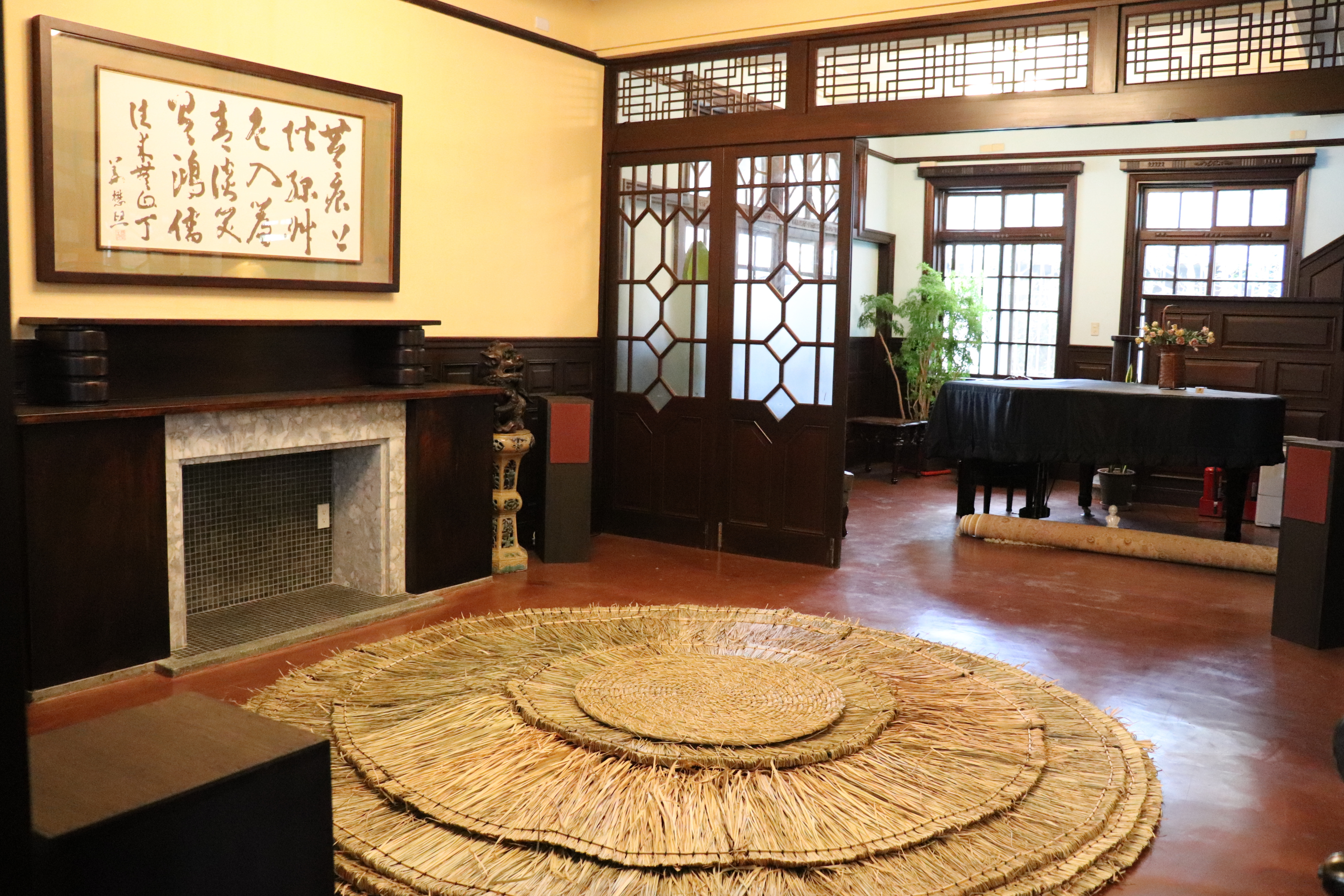
After a spot of coffee at the HuKu PuKu Cafe, we headed over to the Chiang Ah Hsin Residence (姜阿新洋樓). The Baroque-style mansion, built in 1949, was commissioned by the wealthy black tea magnate following the success of his tea production factory and export business (Yongguang Company, Ltd.). The stately residence, designed by architect Peng Yu-Li, was constructed by local craftsmen, and doubled as a reception center for existing and potential clients. The mansion has since been designated a historical landmark, its restoration completed just last year, and is memorialized for the significant role it played in the development of Beipu’s once-booming tea industry. 

37383940

The final leg of our trip was rounded off by three more artistic installations. We were fortunate enough to have the Spanish sculptor Isaac Cordal himself guide us through the winding alleys of Beipu, where he had hidden a series of “micro-sculptures,” not unlike real-life easter eggs. These small, but exquisitely detailed figurines, mostly of middle-aged men, serve as a commentary on the local life, as well as global issues. 

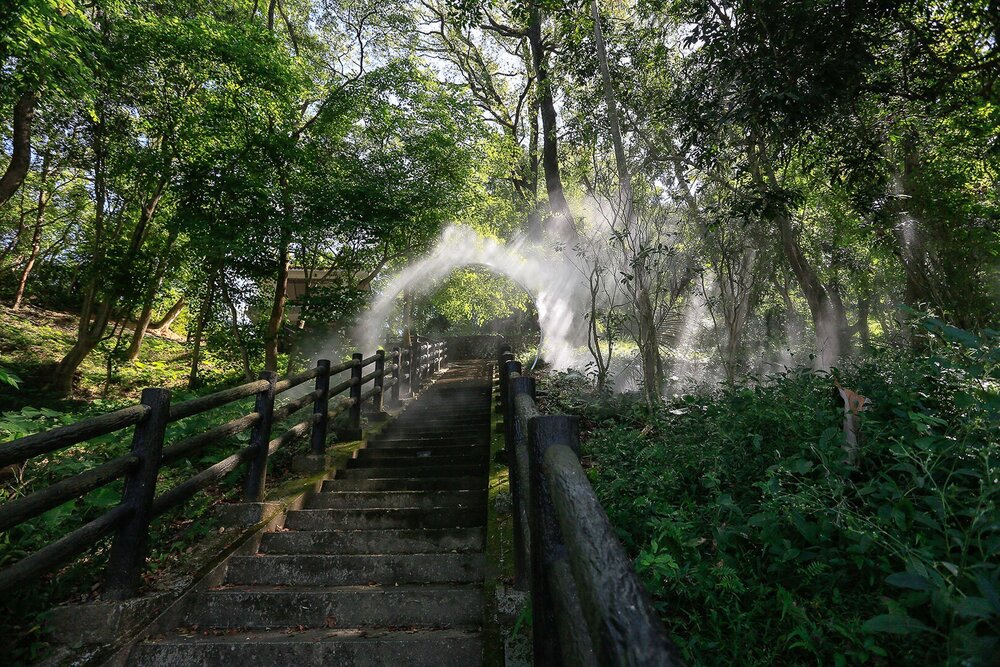
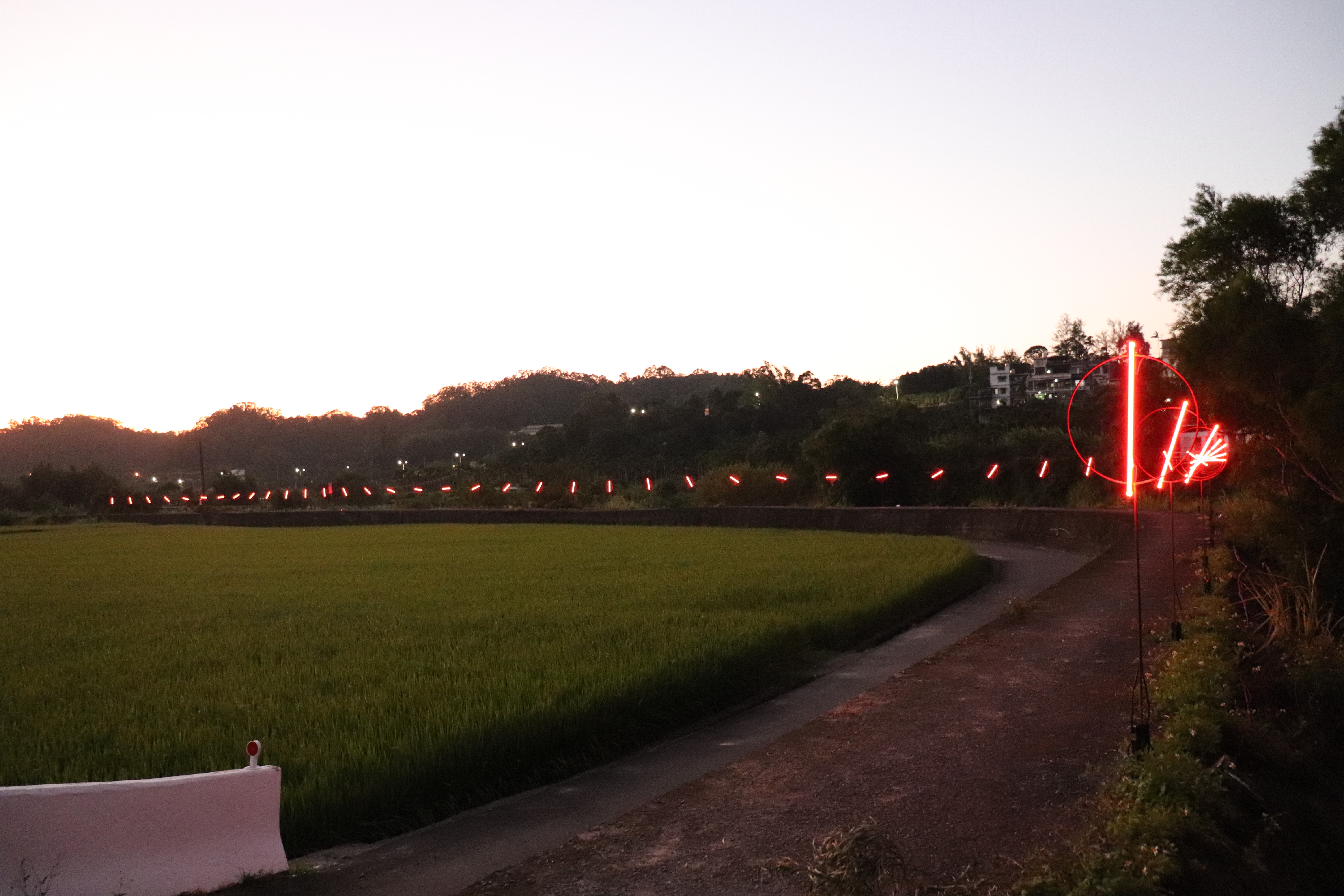
We then moseyed over to Beipu Xiuluan Park (北埔秀巒山), where we were greeted by Australian artist James Tapscott. Tapscott’s signature piece, “Arc Zero – Ascension,” is a circular, illuminated steel portal mounted on the stairs leading up to the mountain, fitted with a misting system, and despite its simplicity, is an absolutely mesmerizing sight, particularly come nightfall.  Local artist Liu Chih-Hung’s “Timeline,” by Beipu’s 100 Point Bridge (百分大橋) – an optical illusion consisting of a series of 1s and 0s erected along the riverbanks, designed to demonstrate the fleeting nature of time – was the perfect way to end this culturally enriching experience.    

51

Image Courtesy of https://studio-jt.net/

52

Unlimited Freedom Festival 2019; Highest, most central music and arts festival in Taiwan!

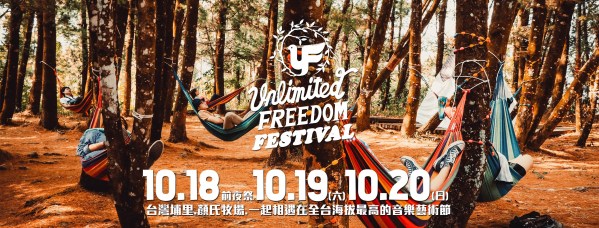
Taiwan is gearing up for what could be the best festival of the year. Over 100 bands and performers will be coming to jam out at the Unlimited Freedom Festival. Bands from all over the world (Taiwan, Japan, The U.K., Korea, Hong Kong, Poland, the U.S., Singapore, Malaysia, and more) are ready to rock Taiwan, due to perform at literally “the highest and most central” music and arts festival on the island. This year boasts 6 stages, over 100 bands, and a slew of genres to peak the interests of all music-lovers (Indie music、Punk、Alternative Rock、Post Rock、Heavy metal、Hip Hop、Reggae、 Funk、Folk、Dance 、ACG Music.) The mission of the Unlimited Freedom Festival is to bring you various styles of art and music, married with elements from Taiwanese culture, so that the world can experience the unlimited freedoms of Taiwan, creating an epic experience you won’t soon forget.


The festival has been running since 2007; by the following year, 2008, the event had attracted some 10,000 attendees. In 2015, the festival took on new life, moving out from the city streets and into nature in the mountains of Nantou County, giving birth to its tagline: “the most central and highest festival in Taiwan.” Camping grounds are plentiful and access to these sites is included with select ticket purchases.


The three-day festival starts on October 18th and runs until the 20th! You can purchase single-day tickets, or opt for full festival passes. Special passes that grant ticket-holders full access to the nearby camping grounds are also available. More information is listed below.


At this point, you might be wondering what inspired the name of the Unlimited Freedom Festival. The festival organizers put it very simply : “Taiwan is a beautiful country full of freedom. That is why it is called the Unlimited Freedom Festival!” So, if you’re looking to experience great tunes and multiculturalism amidst nature in one of the freest, most beautiful countries in the world, then this is the festival for you!


Let’s answer all your questions here:
 
 
Where is the event?
pasture Yen 顏氏牧場  in  Nantou Puli
No.28, Shuishang Ln., Puli Township, Nantou County 545, Taiwan
 
 
How can I get there?
Here are step by step instructions:
 
Here is the official taxi service to help you out:
 
(please, note you will need Google Chrome and Google translate to view in English)
 
When is the event?
10/18 Time to set up camp!
10/19- 10/20 Time to party!
 
What to expect?
  • 6 stages
  • About 100 indie bands from the world
  • Fire-stage for fire dance show
  • Mountain camping
  • Art markets and food trucks
  • Peace, Love, Music & Beer
 
How can people buy tickets?
7Eleven’s ibon machine or buy tickets at the entrance of the festival.


Or enter Taiwan Observer’s free ticket giveaway on our facebook page!
 
How much are the tickets?
 

NT$ 1250 – Single day pass

NT$ 2200 – Full access pass

NT$ 2400 – Full access pass with camping grounds included

 
What about accommodation? 
 
Recommend Homestay, Hostel, Hotel, B&B
Near the venue:
 
(Chrome and Google Translate are required for English)
 
Or stay on site at the camp grounds!
 
 
But I need more info about the venue!
(Chrome and Google Translate are required for English)
 
 
uff promo with TO


Other related links and festivals:
迴響音樂藝文展演空間 SOUND Live House
https://www.facebook.com/SoundLiveHouse/
無限自由音樂藝術節Unlimited Freedom Festival
https://www.facebook.com/UnlimitedFreedomFestival/
山海屯搖滾祭Heartown rock fest 
https://www.facebook.com/heartownrockfest/ 
搖滾台中音樂節RockInTaichungMusicFestival
https://www.facebook.com/RockInTaichungMusicFestival/

WISH Upon a Sustainable Sky Lantern This Fall in PingXi 

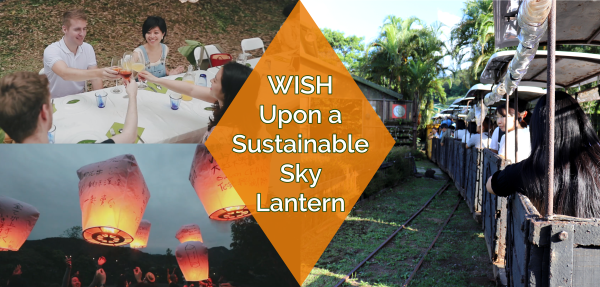
Fully embrace the arrival of autumn this year by partaking in a beloved local tradition, modernized to show better regard for Mother Earth, and a magical outdoor festival that will have you wishing you never had to leaf.


Taiwan Observer was recently invited to a demo tour for a taste of the much-anticipated WISH 2019 Sustainable Sky Lantern Festival, hosted by MyTaiwanTour, to be held on the 12th of October in Pingxi. The sure-to-be unforgettable evening will include: a cool ride on an actual coal train, courtesy of the XPX Taiwan Coal Mine Heritage Park; a colorful market packed with delicious eats, an arts and crafts fair, and live music at that; a scrumptious farm-to-table feast in the forest perfect for Pinterest boards; and the launching of environmentally-friendly lanterns into the starry night sky.   


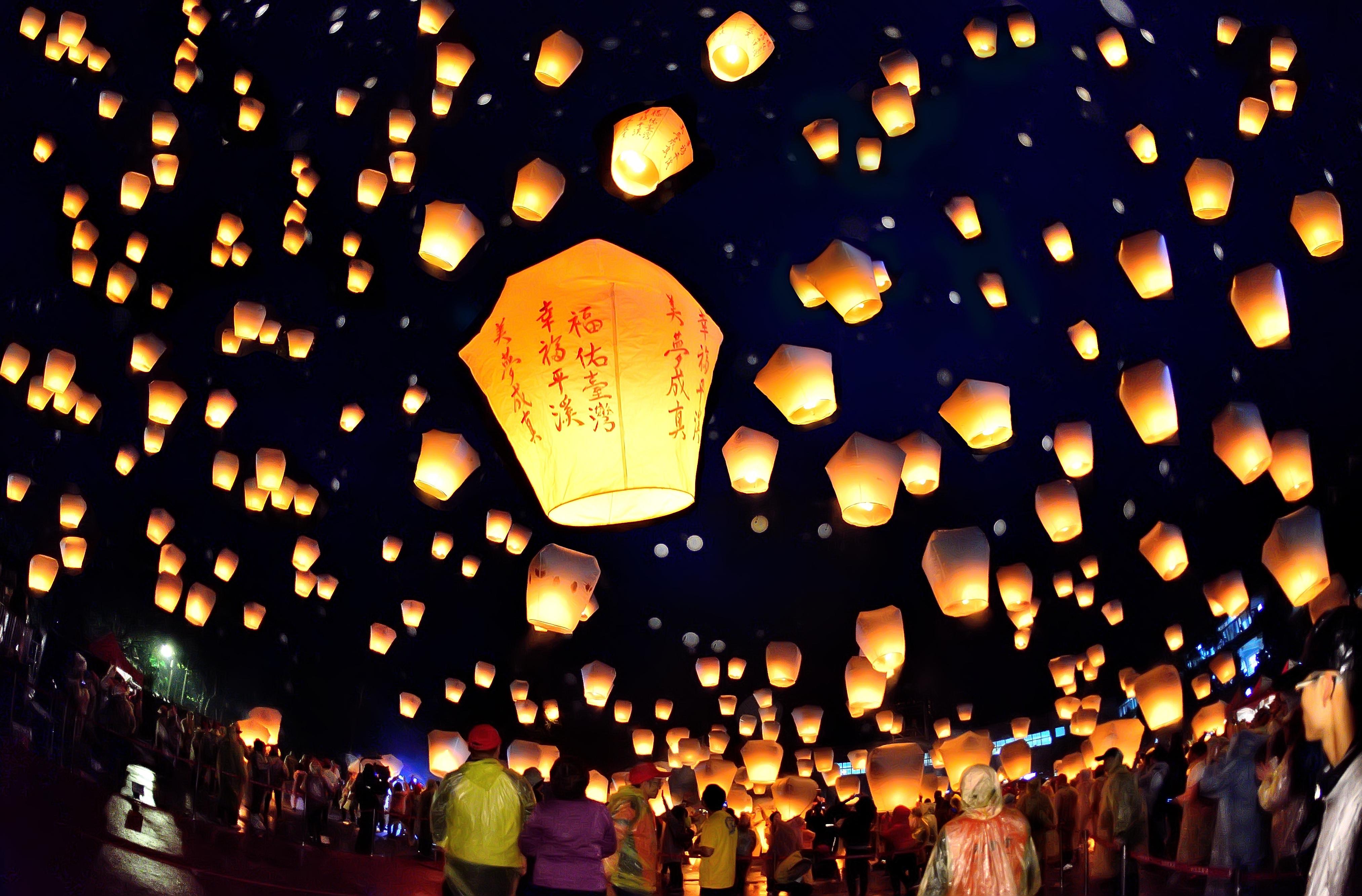
Pingxi and its famous sky lanterns are an indispensable item on the to-do lists of visiting tourists for obvious reasons. According to one legend, the centuries-old practice arose from the customs of Minnan settlers who came to the coal mining town in the early 1820s. When the island was under Qing rule, villagers fled deep into the mountain wilderness to escape the roving bandits – especially ravenous in the months leading up to the winter solstice – who targeted ill-guarded towns for food. The hearty young men left to defend the village released waves of lanterns to indicate that it was safe to return home.  

Photo: courtesy of CNN

While undoubtedly a bewitching sight to behold, the 300,000 to 400,000 lanterns released in Pingxi each year pose a serious threat to the environment, inevitably leaving partially-burnt lanterns and other garbage strewn about in the countryside. Birds and other wildlife are also made to suffer, often becoming entangled in iron wire lantern frames that have failed to decompose. 


WISH aims to celebrate the treasured tradition with an eco-friendly twist. The sustainable sky lanterns, designed and developed by Bank of Culture over two-and-a-half years, are entirely made out of paper, down to its frame, which is fashioned out of egg cartons and recycled paper pulp. You can actually watch your zero-waste lantern disintegrate in the sky, crumbling into a ball of flames and vanishing into thin air, which is pretty awesome in itself.     


General Admission tickets and Forest VIP Passes are available for sale now. For more details, head over to WISH’s official website.


WISH 2019 Sustainable Sky Lantern Festival Promo Video:


Additional Reading:

https://taiwan-scene.com/8-questions-with-the-creators-of-taiwans-first-ever-eco-friendly-sky-lantern/

https://www.taiwangods.com/html/landscape_en/1_0011.aspx?i=6

Create a website or blog at WordPress.com

Up ↑