Moving to Taiwan seemed like a good idea on paper. I’d receive a scholarship while submerging myself into a completely different culture and language – a once in a lifetime opportunity that many others would gladly take. It was like getting one of Willy Wonka’s coveted golden tickets and I was eager to be Charlie. Unfortunately, I wasn’t nearly as prepared for what awaited me as I thought. Of course there are the obvious cultural differences that are met with awe and curiosity. The sites, the food and the people, but for someone who planned to spend a formidable amount of years here, I began to pay attention to more than the obvious pomp and circumstance – look beyond the costume and scrutinize the seams.
As first it was met with incredulous disbelief that there are people in the 21st century who are still unaware of the existence of the black/African race. But the longer I’ve been here and the more interactions I’ve had, I realize that though sometimes it’s simply the curiosity for the unknown, there are many instances of subtle and outright racism. There have been a handful of occasions where I’ve seen persons excitedly frantically tapping their friends and pointing in my direction and I absentmindedly look around to see where they’re pointing at and then I realize, it’s just me. I’ve suffered through countless train rides where a stranger’s hand is in my hair tugging at my braids or someone is secretly taking my picture. Don’t get me wrong I understand curiosity and would have probably reacted the same, but when it switches to persons refusing to sit near you or try to avoid any interaction with you, you can’t help but wonder “Are we still at this place?”
 A few years ago I’d have probably written this in my angry black woman voice, furiously typing away in all caps on my laptop in the middle of the night complaining to social media about all the shortcomings of the world and how I, along with my fellow “Melanated Queens” were being continuously mistreated and misunderstood. But alas, after living here for 5 plus years many things have affected me less, while some don’t procure a reaction at all. I’m not saying that I’ve gotten used to disrespect, but I’d like to think that my levels of discernment and rational thinking has improved over time. Sometimes, ignorance may be mistaken for racism and vice-versa. Unlike the west, we’re not subjected to violent, hate crimes and blatant, racial abuse. The line is usually thin and hard to distinguish as it is never grossly disrespectful behaviour. Either way, I refuse to dwell on these instances, neither do I aggressively act out lest I fall into the stereotypical loud and angry black person category.
There’s a lack of understanding for all things black, culture beyond obvious media portrayals seems to be unchartered territory, and though it is sometimes flattering to be regarded as an exotic anomaly, ignorance is unimpressive. Many persons have been quite perplexed about the varying complexions- for some reason the lessons on melanin has been lost in Asia- everyone is expected to have the same features- I’ve engaged in many conversations where the other person was adamant that my friends could not be my country mate, since our skin tones and hair types were different. Speaking of hair types, it is always met with incredulity that hair can in fact grow from the scalp with these weird kinky curls that do not need to be washed on a daily basis and still manage to have some semblance of cleanliness. Variations in accents are also an issue, though they are sometimes received as a party trick that can be turned on and off at request. The more pronounced ones accent is, the higher the assumption that your actual English speaking ability is non-existent or poor and that your Chinese is speaking ability is equally lacking. Correspondingly, the reaction to me and my peers uttering even the simplest Chinese term remains the same. I’m always awarded with the highest levels of praise as my slightly incoherent Chinese is always “very good!!!!” for a foreigner.
There are obvious reactions to varying skin tones, the lighter your complexion, the more acceptable you appear to be. Unsurprising, since the locals are of the opinion that the fairer the complexion, the closer to perfection they are. White is deemed better, supreme, and more powerful; evident in the beauty products stacked on the shelves that promote whiter, brighter skin. Correspondingly, anything black is synonymous with being dirty, second class, unworthy. I was in slight denial about this fact even after seeing Darlie toothpaste  sitting casually on the shelves of almost every grocery store but this notion was cemented when I saw the Chinese laundry detergent ad of a few years ago, where a black man was placed in a washing machine and came out a clean Chinese man. Understandably, the black community was in a collective uproar and though I can’t remember what happened to the infomercial afterwards. I remember feeling completely disappointed that, this concept had passed all checkpoints and was deemed okay for publishing and mass distribution.
  Many situations may be subject to the wrong interpretation which consequentially results in the wrong reaction. One of the primary instances of misconception is when the hearing the Chinese word “NeiGe ” for the first time. Though seemingly harmless, it has ruffled a bit of feathers due to its similarity in sound to the infamous “N word”. Imagine casually cashing at 7/11 and hearing the cashier randomly utter a perceived racial slur mid-sentence towards you. It’s bound to throw you off or leave a bad impression. However, I’ve come to realize that in Asia, almost anything goes. As long as it’s not offensive to the locals, and in this case ,you learn to roll with the punches.
It’s always interesting to move to a new neighbourhood, I’ve done it at least three times in my 5 years here and the reaction has always been the same – everyone literally falls over themselves trying to get a glimpse, take a picture or just watch you walk by or catch a bus. The more rural the area, the more obvious the stares, pointing outlandish behaviour. In my last neighbourhood, I was referred to as the “Chocolate Lady”, which wasn’t as harsh as “Black Person”. The first few weeks consisted of stares, whispers and smiles. It was only after I’ve reciprocated these actions does interaction go further to small waves and receiving little gifts. Coincidentally, I’ve noticed this happening with the older generation, children, and the middle aged. The younger generation /peers are generally shyer and when they do pluck up the courage to talk, they simply tell you how beautiful they think you are and compliment your exotic appearance.
Then there are the compliments that aren’t really compliments, the comparisons to celebrities, the constant surprise at how great your English is or how cute you are when you attempt to do anything related to Asian culture. They are duly noted and categorized as slightly offensive. Fellow foreigners are also racist through offhanded comments or jokes under the guise and think it’s completely okay because we’re all aliens residing in Asia experiencing the same issues. we’re not but… whatever. Being here for the number of years you tend to become a part of the community and realize that your experiences are not as unique – regardless of our backgrounds and origins as black people we are connected. the 6 degrees of separation has whittled down to 1 since everyone literally knows each other. This may be due to the international student scene and the close knit party scene. 
Dating isn’t bad but like everything else, dating with a purpose as opposed to dating out of loneliness, entertainment or curiosity takes time and effort. Once you get past the pickup lines that make reference to your exoticness, and the overzealous compliments about your regular black features, or flattering racial stereotypes, about how well you dance and other sexual connotations. It becomes easy to differentiate whether a guy’s interests go beyond fetishes and curiosity or genuine interest – but let’s face it, wherever you go dating is hard especially when it comes to making and maintaining a good impression.
There are many instances of subtle racial aggression. Asian employers often specify their need for a white foreigner to fill their English teaching positions as it goes better with the school’s image. I, along with a few of my friends, have been on many interviews where we knew even before the interview began that any attempt to secure employment was a lost cause, simply because we had the wrong skin colour or the wrong nationalities. On these not too rare occasions, interview questions veer off the courses of professionalism and end up in the depths of our personal lives. In these instances, I just smile and accept whatever excuse I eventually receive for not being hired though the credentials are present, feigning ignorance but knowing damn well that it was because I wasn’t white, or American.
When I was finally hired after countless interviews, I was pulled aside and advised to state that I was an American to anyone who asked. Why? Because parents preferred having an American teacher for their students.  Why? I have no idea. Since they couldn’t change my colour, they changed my nationality. Even though I have never stepped foot in US, apart from being in transit to and from Taiwan. I must say this never occurred with foreign employers at other institutions, because for them, it was merely business as usual.
Direct Chinese to English translations also lack tact. Words are rarely sugar-coated – but rather blunt and to the point with a lack of consideration for the receiver. As a result, innocent questions or compliments are often received negatively and may again evoke the wrong reaction. Too many persons think it’s a completely normal form of flattery to approach a stranger with an opening line of, “You’re so black!!” And that performing a side by side complexion comparison is normal.
At university, I reacted with scepticism at the thought that Asians, who were so technologically advanced and classified as first world nations, reacted this way towards black people. I was never expecting anything close to the hybrid western cultures but the levels of homogeneity was baffling. I found the notion preposterous and laughable that this attitude still existed. I couldn’t accept it. Literally everything you needed to know was a google search away. There was no excuse for ignorance. Then I started teaching and it got worse before it got better.
Children are a reflection of their society and in my first few weeks of teaching I got the raw unfiltered reaction to my appearance.  I’ve walked into classrooms for the first time only to be greeted by: gasps, awkward giggles, darting eyes and a hint of excitement. I’ve had students wipe the spot on their body where I’ve touched. Sometimes it’s subtle, other times it’s quite obvious and overly dramatic. Others have slowly backed away from me like I was a ticking time bomb ready to explode. There have been days where students would just point at me and laugh and whisper. Many would just stare and run away. Often, my face and attitude remains calm I’d be reeling with anger, or embarrassment.
Over time, my tolerance level has increased and my general attitude has become a bit more relaxed. heightened comfort levels in the classroom have brought some pretty outrageous questions. Students have literally asked everything they could think of. Topics have ranged from the size of my nose to the texture of my hair. Why the palms of my hands are white and the other parts of my body were black or how my hair grew 12 inches over the weekend when it was a poufy cloud the days before. And at least 5 minutes of class time would be spent trying to convince the entire class that a picture of a random black person in the textbook was neither me, my boyfriend nor my child.
Students have confessed that they were initially afraid of me and they didn’t know how to react towards me, what I interpreted as disgust and hostility was ultimately fear. And even though I knew the reasons. I’ve coyly asked many times “Why were you afraid of me?” The answer is always so simple: “Because, you are black”
But somehow, eventually it changes. Hands that would have quickly retracted if mine got too close would now find their way into my hair, rubbing my skin or just playing with my fingers while I checked their books. Bodies that would tense up or step back whenever I took a step towards them, would run towards me or hug me. Children who didn’t want me touching their belongings would bring me small gifts or offer to share their food. The points and whispers in the corridors about the “Black Teacher” are almost usually replaced with smiles, waves and warm greetings.
As the authority figure and the educator, I’ve learnt not to act on emotion but to instead provide facts. It’s sometimes difficult to look beyond the insults and not take it personally but I never ignore the opportunity to set the record straight.
I welcome these questions as they’re just as important as whatever topic is on the syllabus. I’ve come to realize that the only way we can change their attitude is by imparting knowledge. Since black teachers are literally responsible for their opinions and views of our entire race and culture. Regardless, his shouldn’t be the case- I shouldn’t be the primary source of information, thought I may be there to facilitate the discussion.
Although, these conversations continue to be fruitful and enlightening I haven’t successfully convinced my younger students that melanin is not synonymous to chocolate – the general conclusion remains a matter of fact, that I am made of chocolate.
—–
For anyone , moving away from home means so much more than a change in physical location. Its abandoning the norm , & straying from acceptance and familiarity . and going moving something completely new on so many various levels that you may not have prepared for . many aspects of your existence that you may not have even noticed are being questioned and many times and this may put you on automatic defence mode. On what may seem as an attack or unacceptce of your culture .
There are some of us who thrive in this environment, who live for the praise and the attention and sometimes god like treatment for mediocrity, something that may not necessarily exist at home. Others remain unbothered while there are some who absolutely dislike the attitudes towards them and constantly speak out against it. It’s hard not to waver on the scale of tolerance, especially as a female dealing with hormones, homesickness and other daily grievances personal and professional. Sometimes you simply don’t want to feel like a walking attraction for simply existing, you don’t want to be compared to or held responsible for anyone else but yourself. You don’t want to act as a cultural ambassador. You just want to be.
However, to say that this is a reflection of the entire society would be an unfair representation of the may persons who have welcomed me with open arms and have gone above and beyond to ensure that I remained comfortable. Those who see past colour and are genuinely interested in personality and character. Those who embrace the obvious differences in appearance, culture, and beliefs and attempt to learn as much as they possibly can as well as teach as much as they can (engage in the positive discussion exchange of knowledge). For this I have become more tolerant and understanding of their points of view and have tried to be more rational in my thinking and behaviour towards them. The longer you’re here, I’d like to think that although many changes may not change, at least our attitudes have. You stop comparing it to somewhere else and accept the reality and respect it for what it is.
Higher levels of familiarity decrease the discomfort and people start seeing beyond the obvious differences and preconceived stereotypes and start to realize that we are all the same. And that everything is not always black and white..

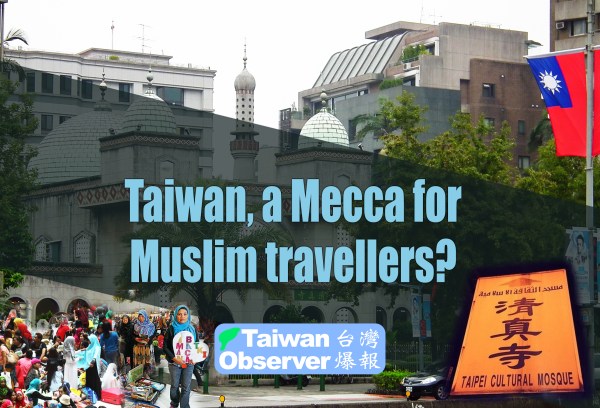
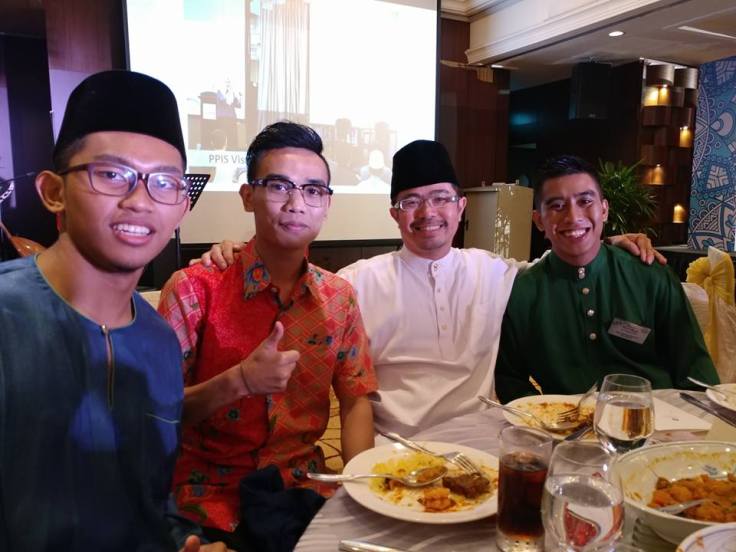
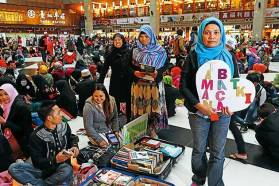 The two women weren’t wearing hijab, niqab or any other Muslim attire but such sight in Taiwan isn’t unusual. Hijab and Dupattas can be seen worn by Indonesian, Malaysian, and other Muslim women all across the island. There are plenty of seasonal workers as well as long-term residents that made Taiwan their home. Being a Muslim in Taiwan is easier than in many other East Asian countries. Just a glimpse at the size and magnitude of Taipei Mosque tells one how big the Muslim community in Taiwan is.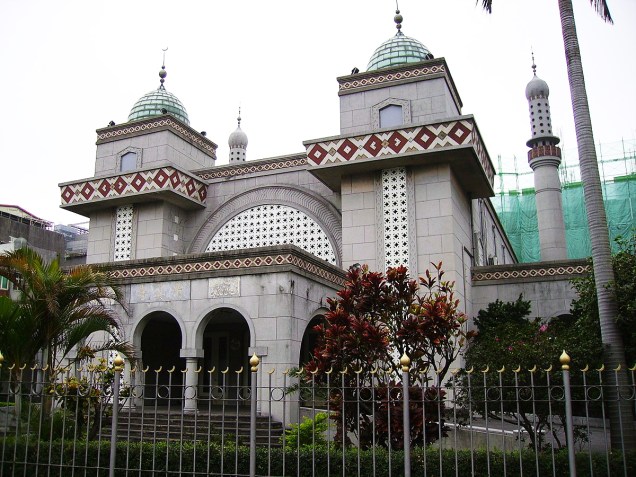
 to City Suite Hotel, about five minutes’ drive away. We were treated to sumptuous beef noodles, delectable desserts and iced mango.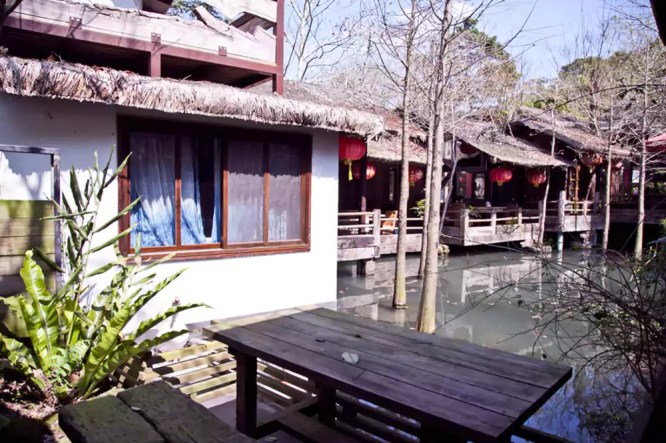
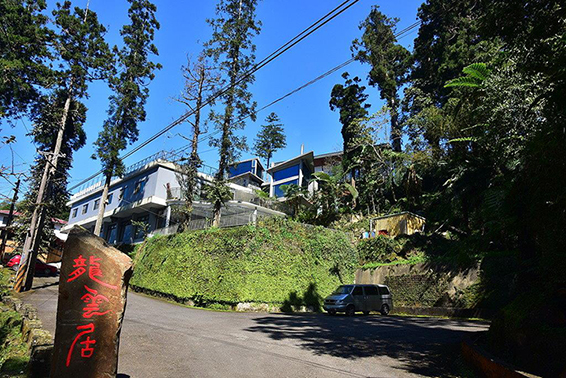



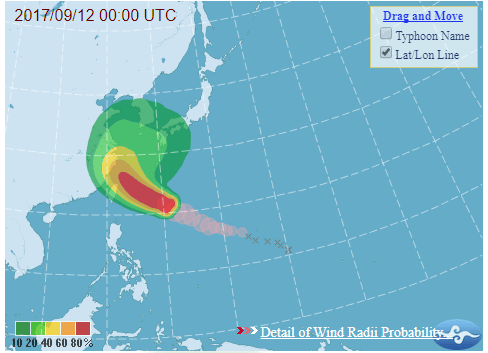
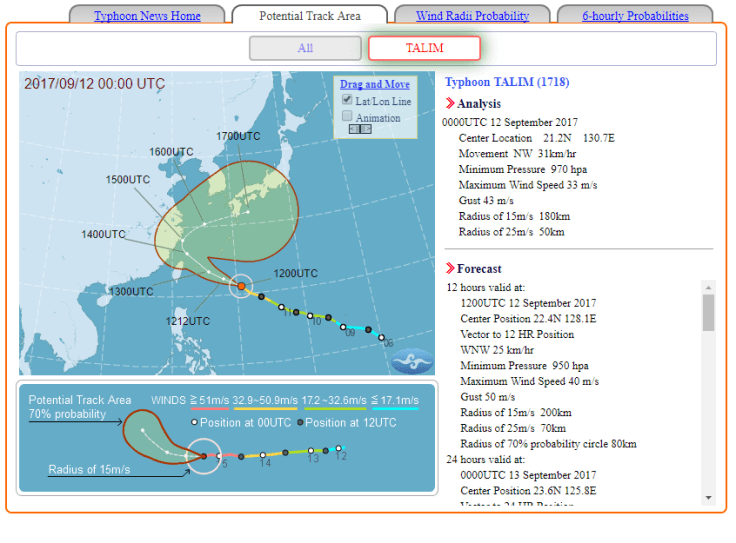 Typhoon TALIM tracking (above)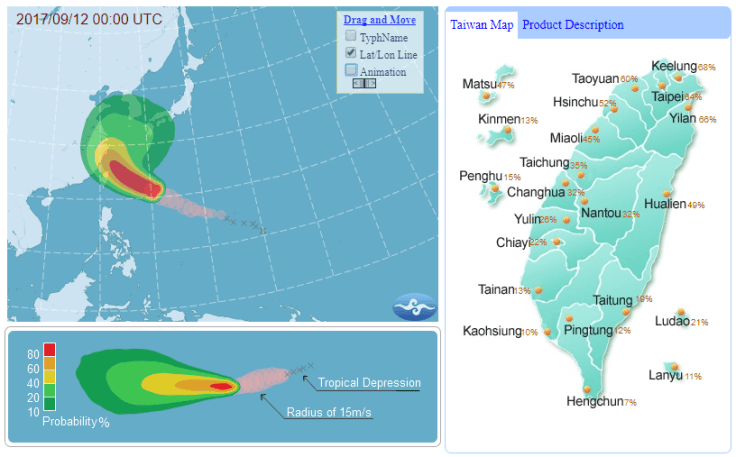

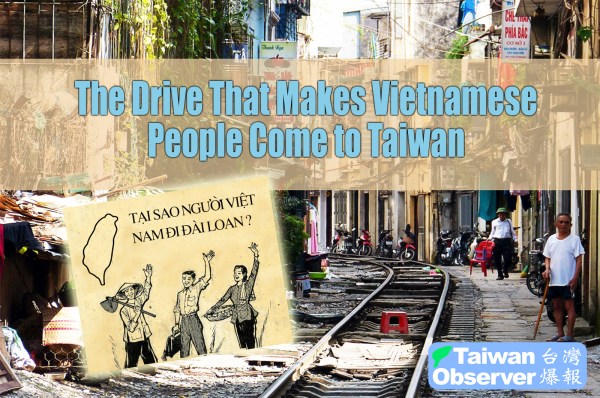
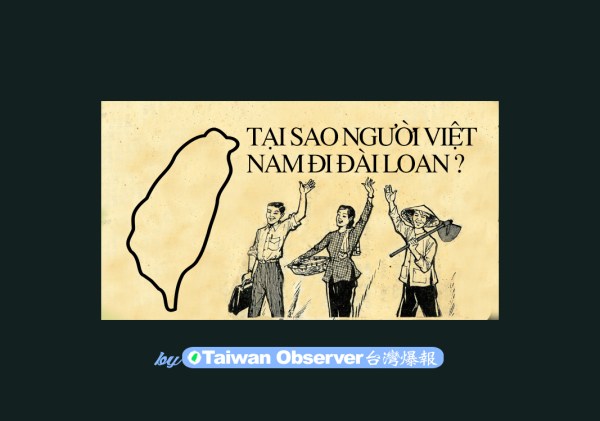
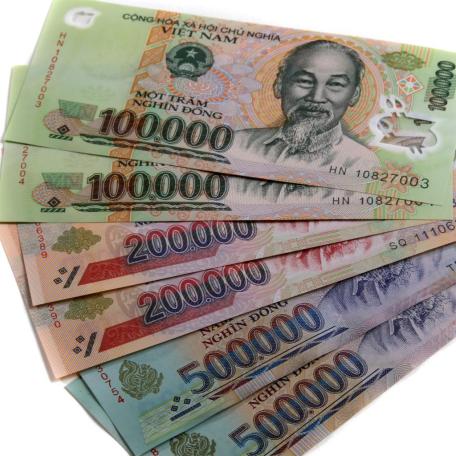
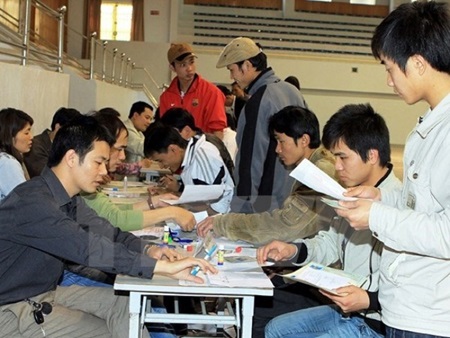
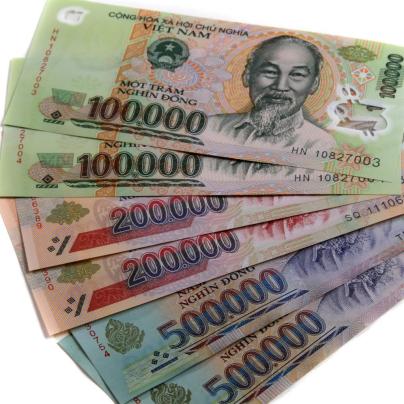 After coming to Taiwan, it is not difficult to find a Vietnamese community living and working here. According to estimations, there are 170.000 Vietnamese workers (vieclamdailoan.vn) and around 4.000 Vietnamese students in Taiwan. Most Vietnamese who come to Taiwan come for employment in the labor sector. They are usually workers or farmers from the countryside or poor areas in Vietnam with a hope to make and save some money while working in Taiwan. Others hopefully earn money to support their family. The main reason is the basic salary in Taiwan is higher than in Vietnam, more specifically, in Vietnam, the basic income for workers is around 230USD per month (vietbao.vn), but in Taiwan a worker can earn approximately 700-800USD per month. Moreover, the cost of living in Taiwan is also considered to be a good reason for Vietnamese worker to come here, as it is relatively affordable to live here for a typical Vietnamese worker. Besides, in big cities such as Taipei or Kaohsiung, there are a lot of job opportunities.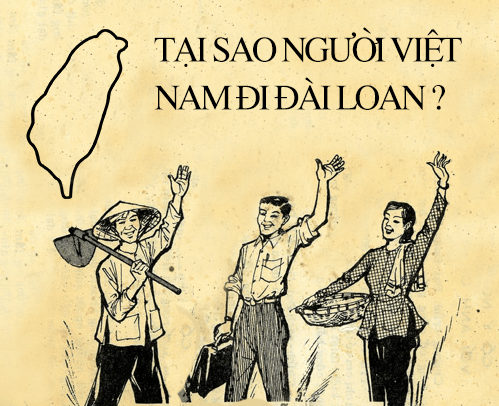




 Taiwan Observer